
Arts
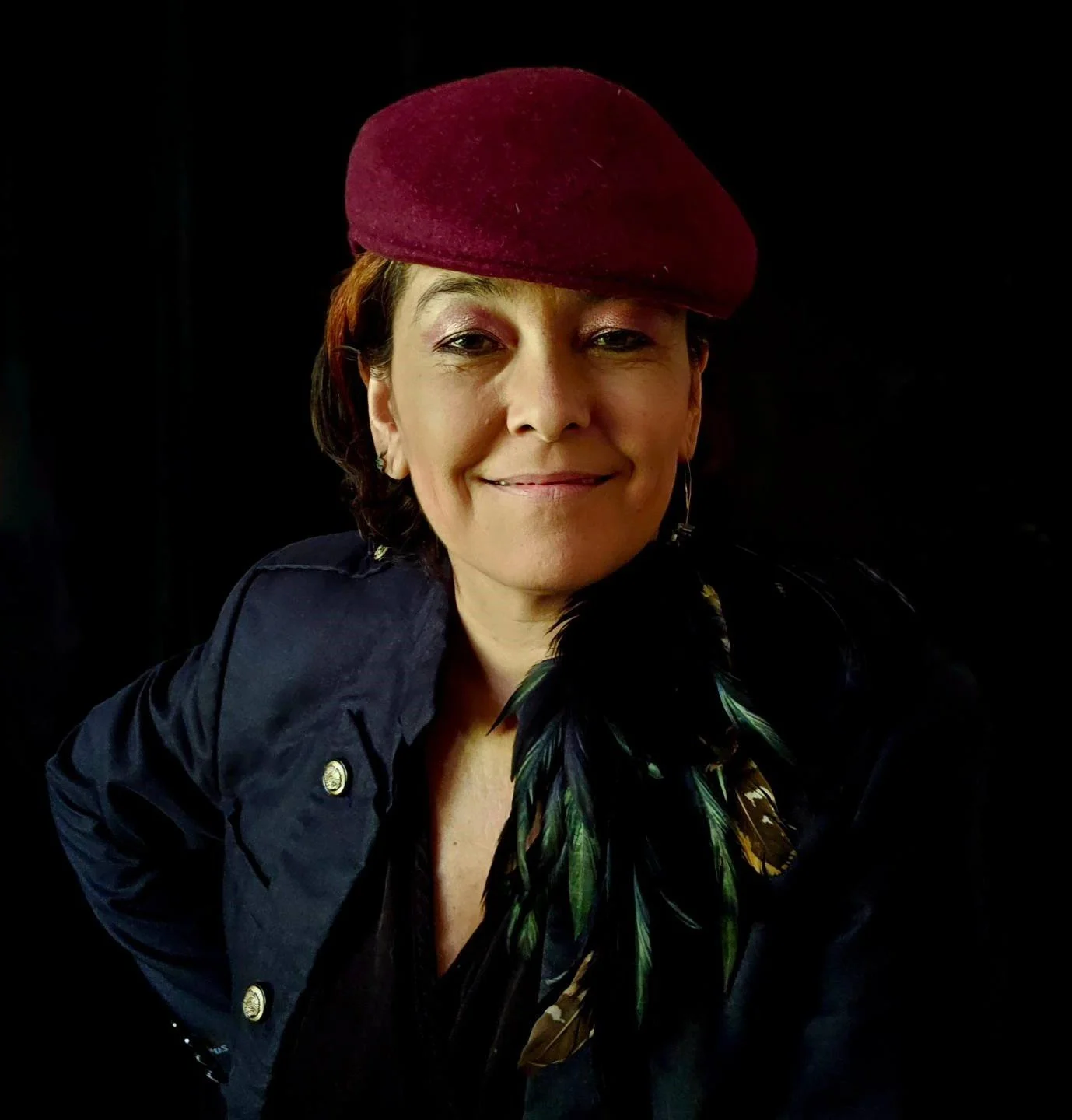
Emmy-winning filmmaker Lisa Russell is using AI to break down barriers in filmmaking and put creative power into more hands. She speaks with Matters Journal about her journey, the ethics of AI, and how tech-enhanced storytelling can shape our future. By Daniel Simons

Through the work of 11 regenerative artists, this exhibition invites us us to reconsider our perspectives on material sustainability and explore how creativity can contribute to ecological healing. By Alexi Freeman
Design
Emmy-winning filmmaker Lisa Russell is using AI to break down barriers in filmmaking and put creative power into more hands. She speaks with Matters Journal about her journey, the ethics of AI, and how tech-enhanced storytelling can shape our future. By Daniel Simons
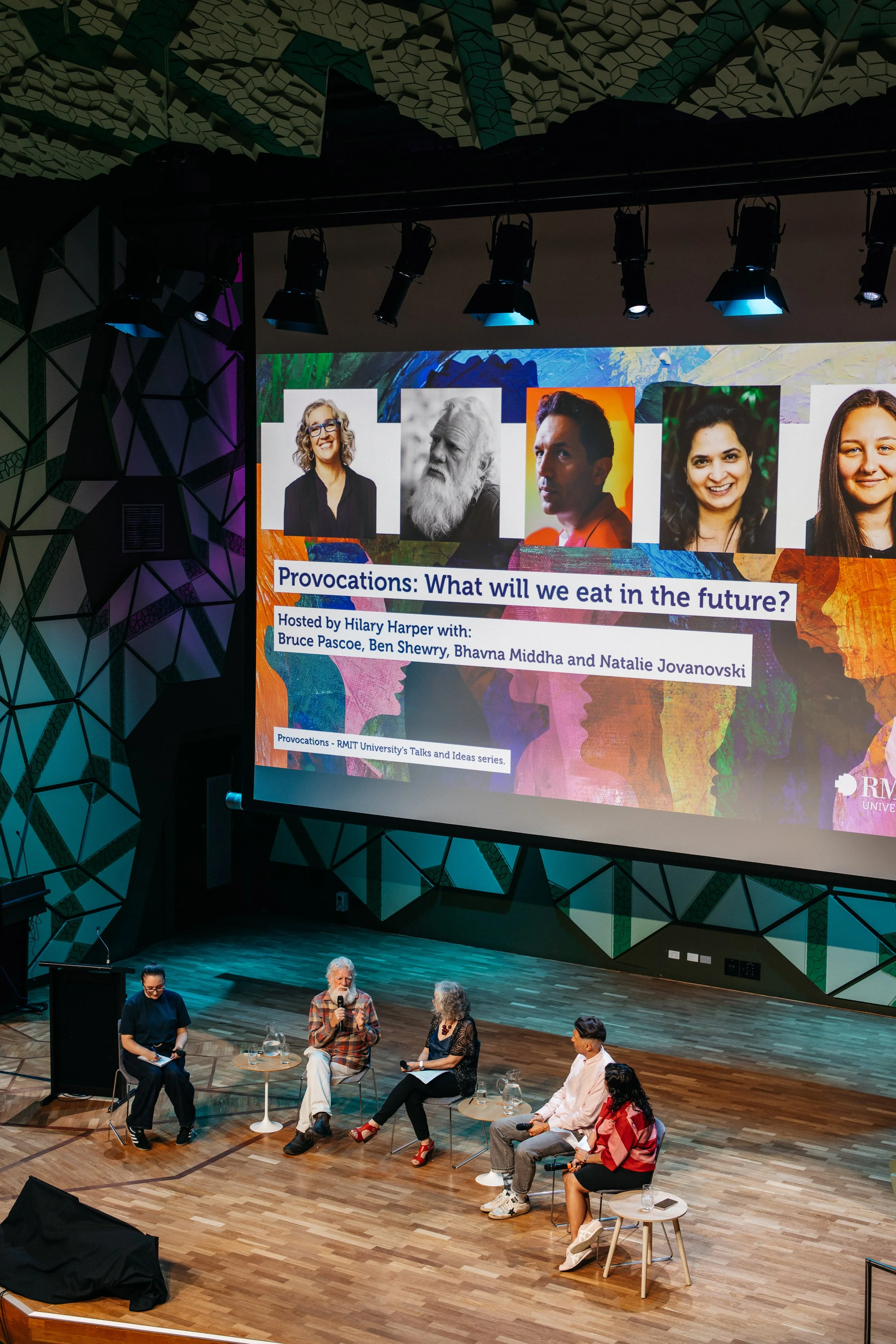
At a recent RMIT panel, experts examined how Indigenous knowledge, sustainability, and equity intersect to shape global food systems. By Alexi Freeman
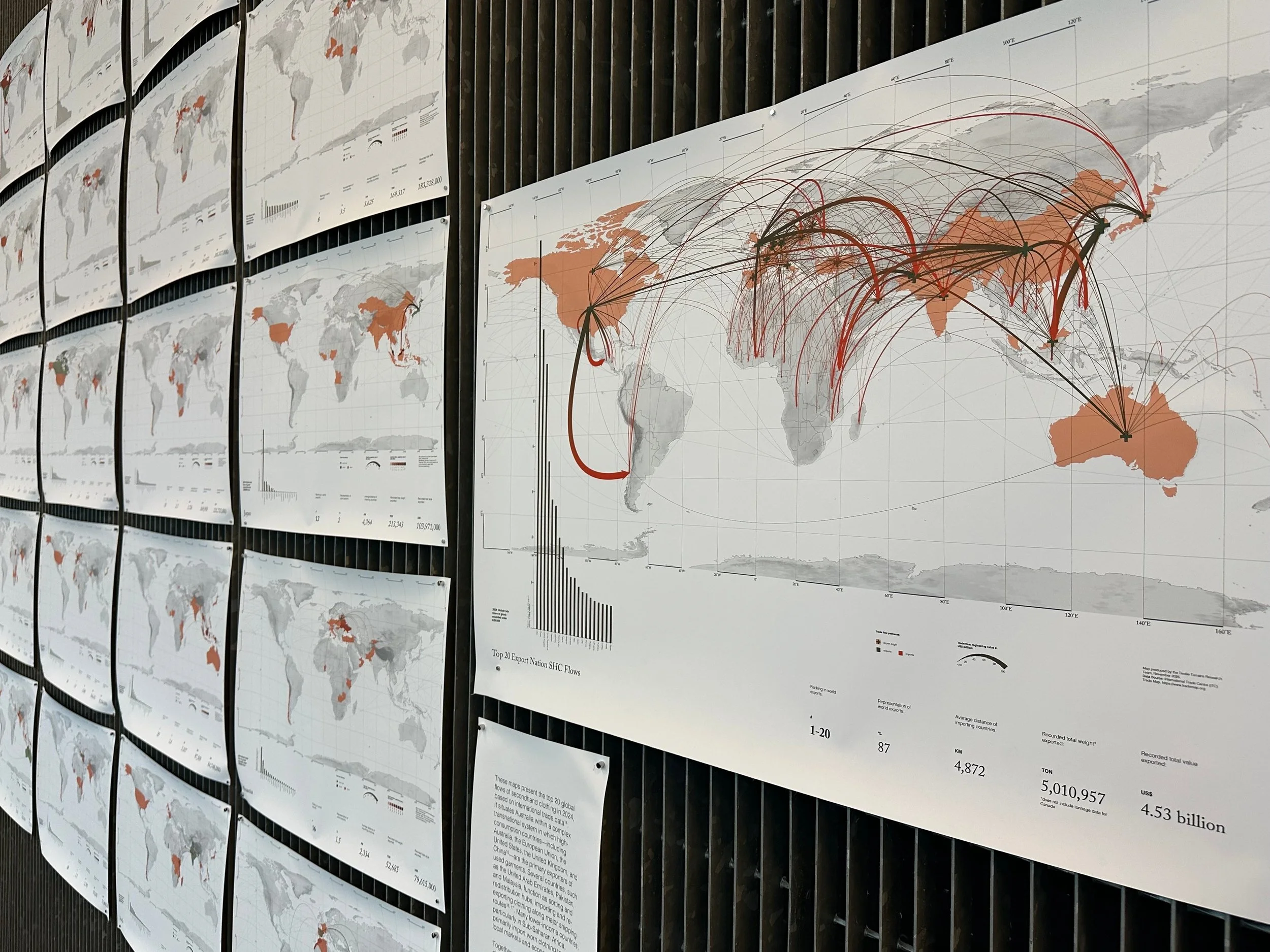
Fast fashion’s waste doesn’t disappear—it travels. And while recycling and resale help, experts say the deeper challenge is overproduction and the need for a fashion system designed for durability, reuse and circularity. By Alexi Freeman
Environment

Across Australia, growers are cultivating some remarkably demanding crops: buried truffles, elusive wasabi and painstakingly harvested saffron. Their stories are about more than luxury food. They reveal what can happen when agriculture makes room for patience, scarcity, seasonality and place. By Alexi Freeman
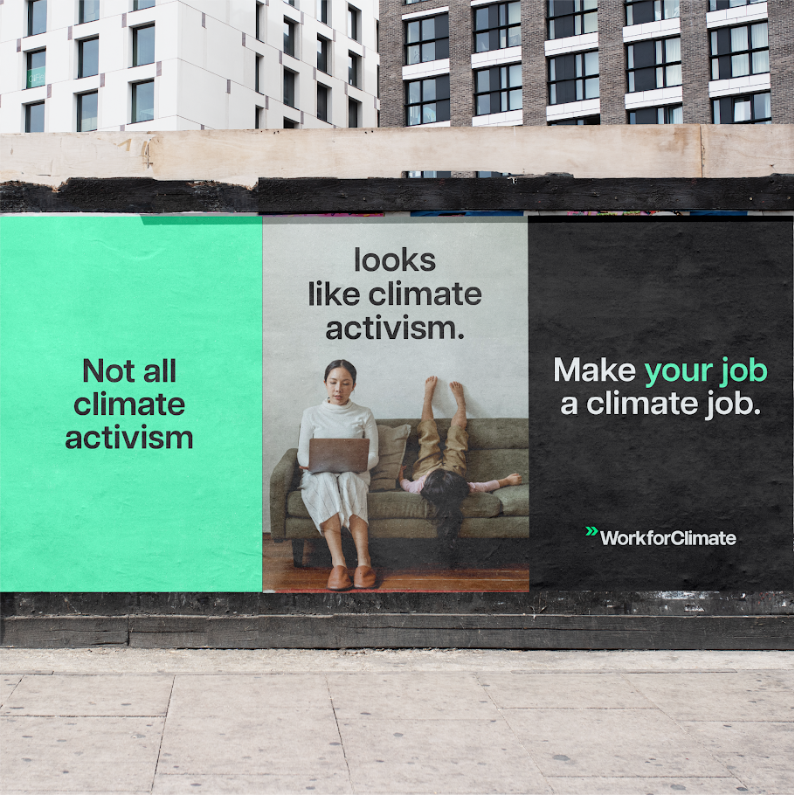
Lucy Piper and WorkforClimate are building a global community of employees organising within their companies to create change at scale. With practical blueprints, case studies, and collective action, the workplace becomes a powerful climate lever. By Daniel Simons
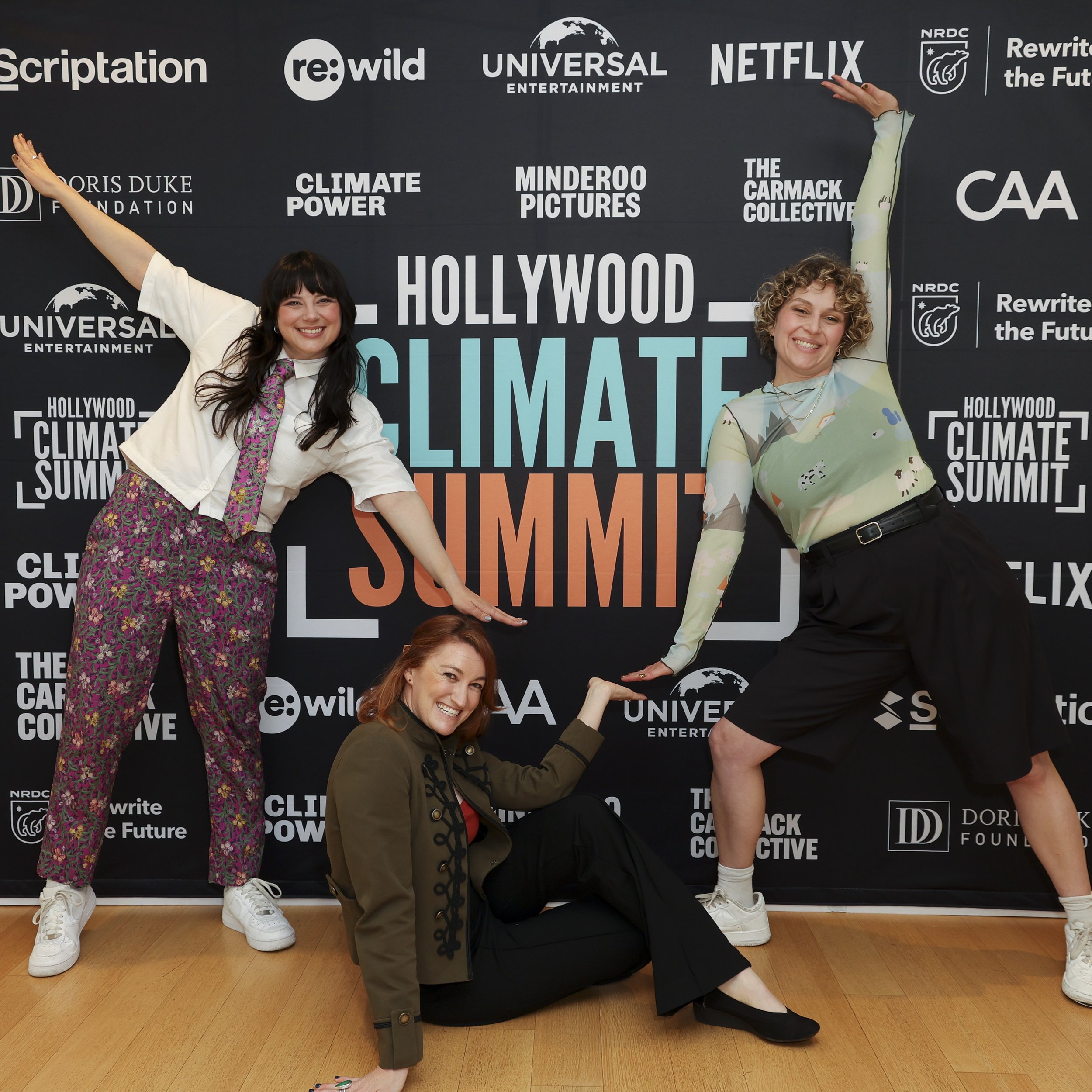
What if the stories we watch, play and share could help shape a better future? The 2026 Hollywood Climate Summit explored how film, TV, gaming and music can make climate action feel more relevant, hopeful and irresistible. By Daniel Simons
Food
At a recent RMIT panel, experts examined how Indigenous knowledge, sustainability, and equity intersect to shape global food systems. By Alexi Freeman
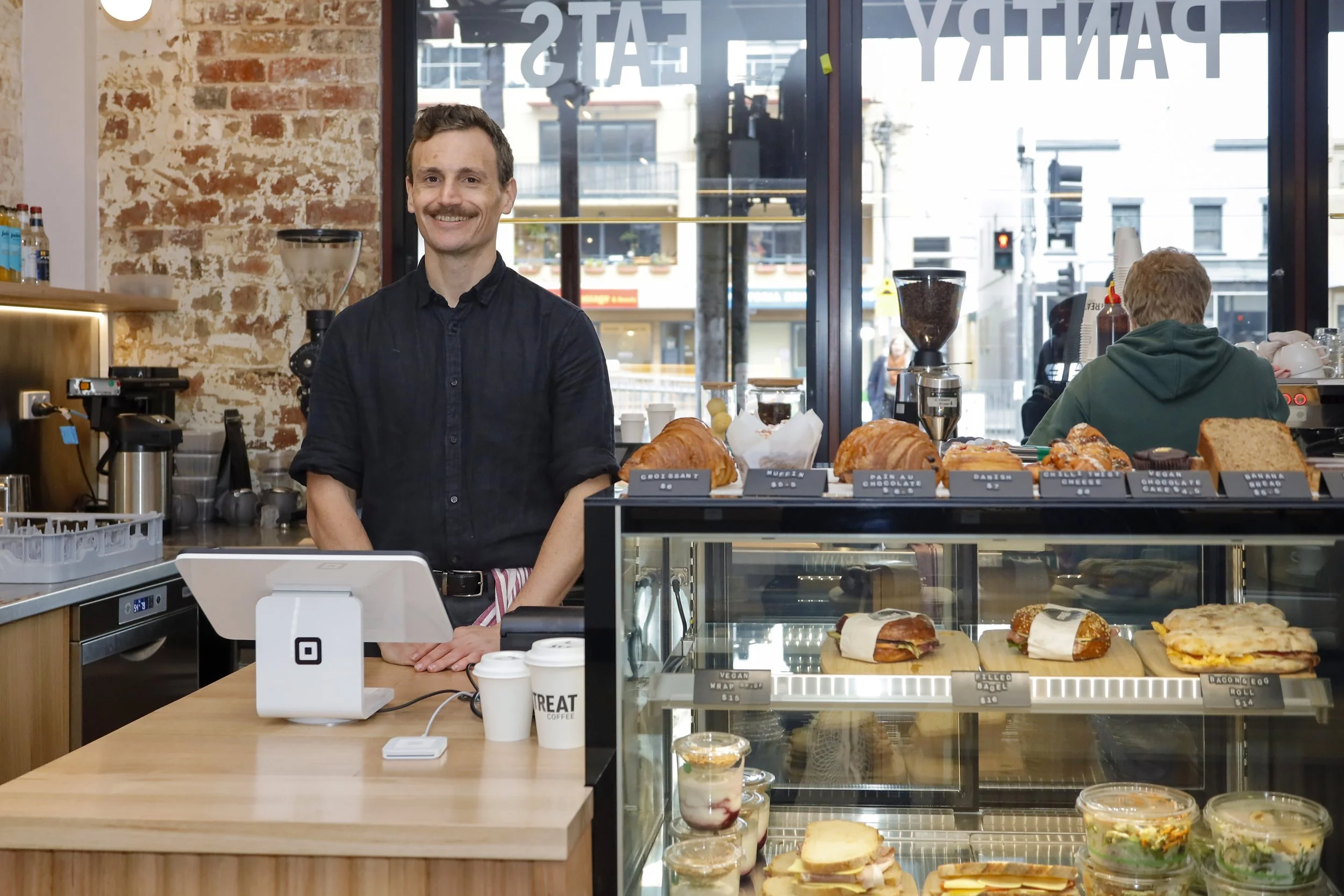
What if 800 tonnes of market “waste” became opportunity? At Melbourne’s Purpose Precinct, the STREAT-led Moving Feast Kitchen is transforming surplus produce into 60+ ready-to-eat products, while creating jobs and reducing environmental impact. By Hudson Brown

Did you know that food waste occurs at every stage of the supply chain? Around 25% of produce never even leaves the farm, with logistical issues and market fluctuations seeing edible produce land on the garbage pile. Then there are supermarkets... By Hudson Brown
Health
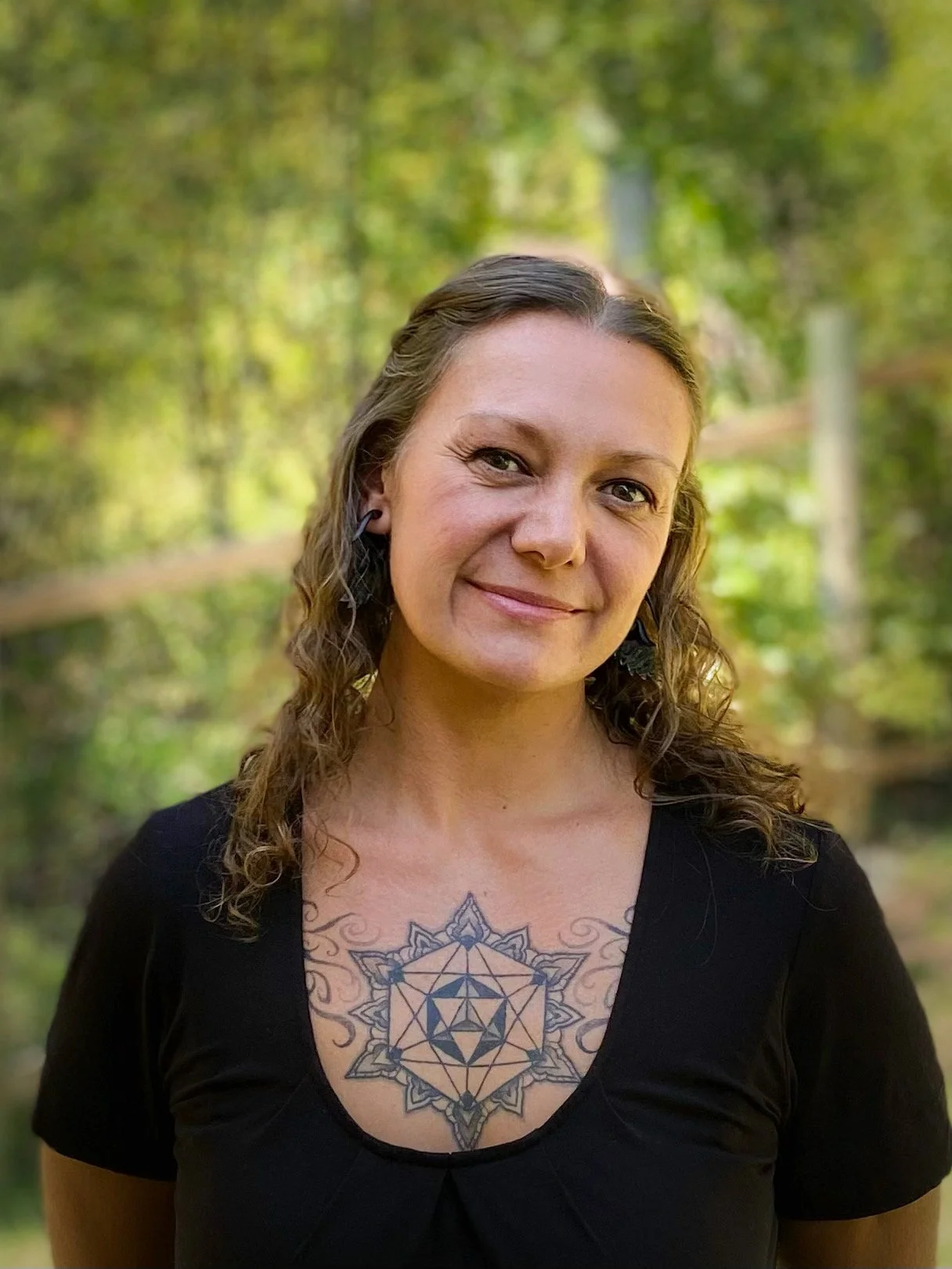
Masterminding EDEN is turning collective intelligence into climate action—designing scalable, regenerative communities worldwide. Discover how this bold initiative is building the future. Read more. By Daniel Simons
At a recent RMIT panel, experts examined how Indigenous knowledge, sustainability, and equity intersect to shape global food systems. By Alexi Freeman

Ecovillages are reshaping ideas of home and community, replacing isolation and high-impact living with cooperation, regeneration and shared land. By Alexi Freeman

The Brain Health Futures Summit on November 13, 2025 in Melbourne unites world-leading thinkers to explore how cognitive health shapes our collective future. By Alexi Freeman

After being diagnosed with a debilitating neurological disease at 24, Nick Allen defied expectations by summiting a Himalayan peak. Now, through his charity Mastering Mountains, he’s helping others with neurological conditions reclaim the outdoors, one adventure at a time. By Hudson Brown

Australia’s aged care system is undergoing a major transformation, with a new reform act set to take effect in July 2025. And the focus is shifting from provider-driven care to a human-centred approach. By Nikki Stefanoff

A walk-through of the upcoming Aged Care Reform in Australia, which is set to be the system's biggest transformation in decades. Major changes are aimed at improving the quality of care, increased provider accountability and a fairer system of funding. By Nikki Stefanoff
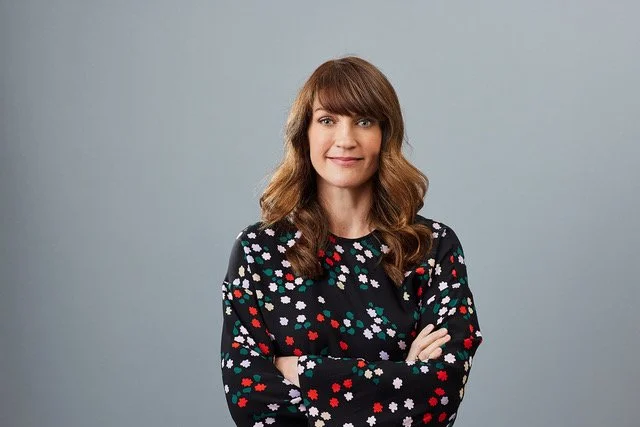
Internationally recognised for her design work that spans health technology, systems and services, Melbourne-based designer and Monash University academic Leah Heiss epitomises the symbiotic relationship between design and healthcare transformation. By Alexi Freeman

Community only grows stronger when people feel at home. First Hike Project achieves this by taking young people from migrant and refugee backgrounds on day hikes and overnight camping trips throughout the Australian wilderness. Surrounded by a peaceful setting, the easygoing conversation helps to form lasting bonds. By Hudson Brown

The Common Ground Project is a regenerative farm and social enterprise cultivating change in Geelong, Victoria. Bridging food, farming, and community, they offer education, empowerment, and a vision for a healthier food system. By Hudson Brown
Technology
Lucy Piper and WorkforClimate are building a global community of employees organising within their companies to create change at scale. With practical blueprints, case studies, and collective action, the workplace becomes a powerful climate lever. By Daniel Simons
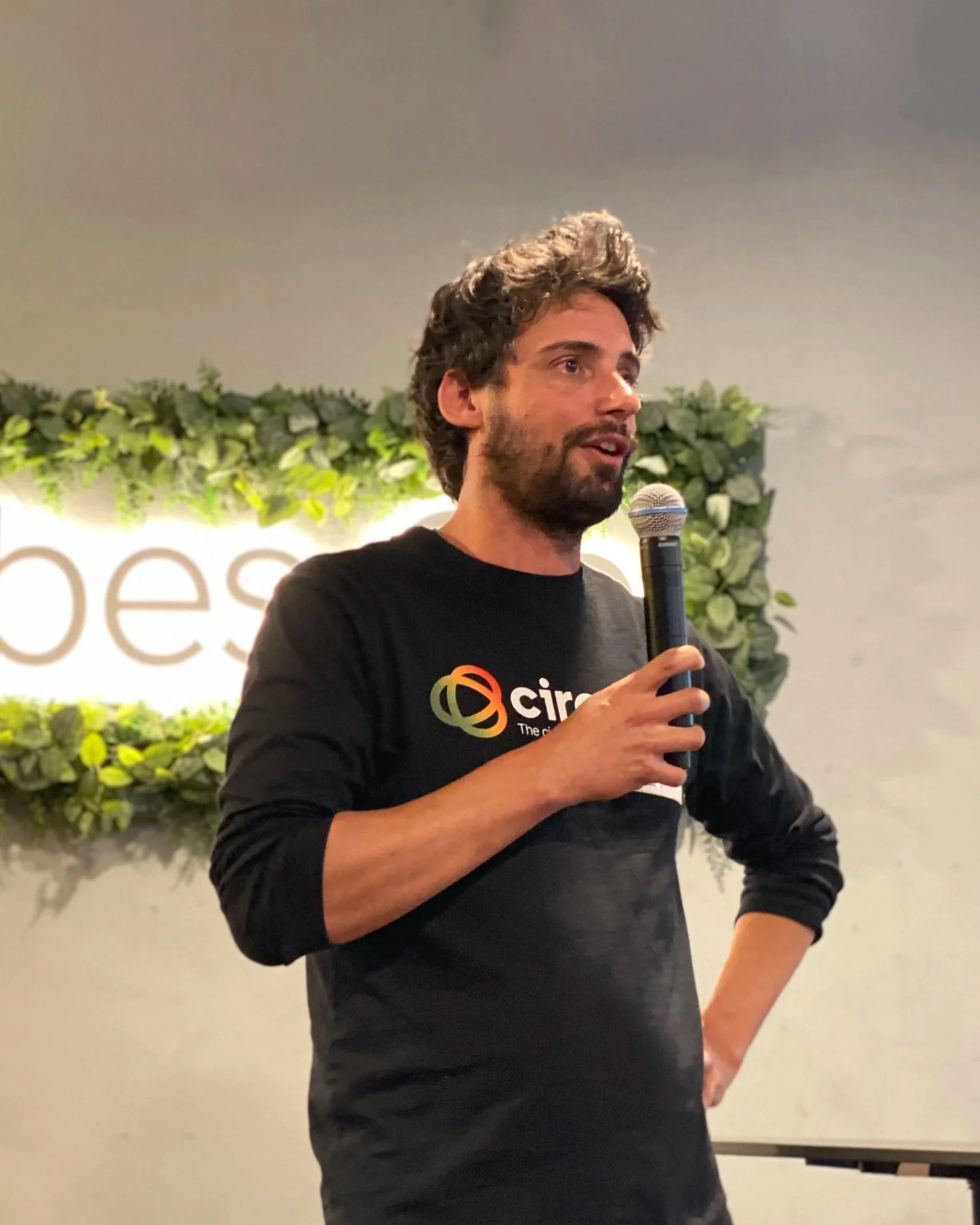
By connecting companies with circular-economy businesses that can eliminate waste at its source, the Australian venture Circuiti is turning discarded materials into opportunities for savings, innovation and smarter operations. By Daniel Vlahek
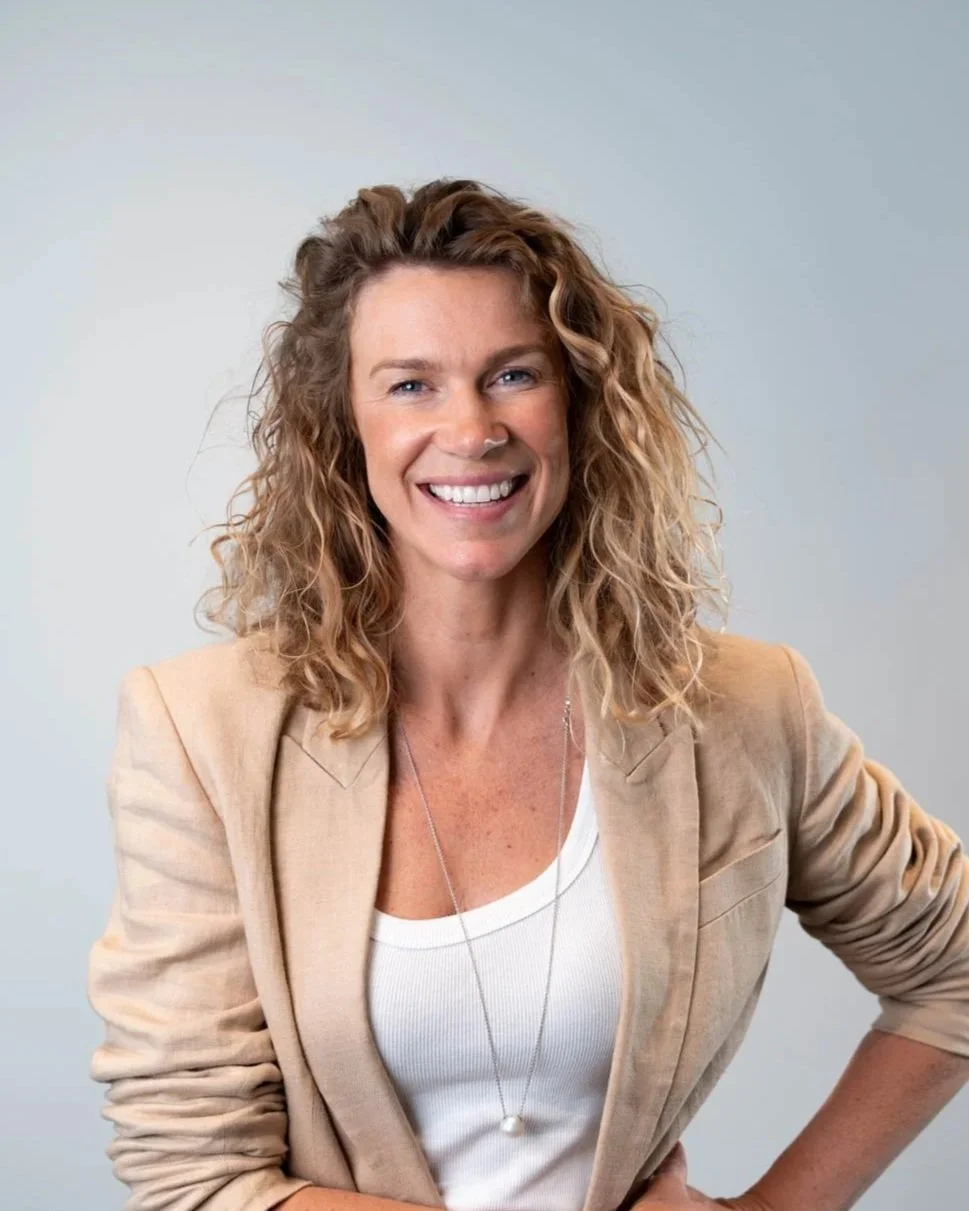
Discover Greenhouse, where climate startups, major investors, NGOs, and everyday innovators work side by side in Australia’s epicentre for climate innovation and action, in this chat with Charlotte Connell, Greenhouse's Director of Innovation and Investment. By Daniel Simons
Emmy-winning filmmaker Lisa Russell is using AI to break down barriers in filmmaking and put creative power into more hands. She speaks with Matters Journal about her journey, the ethics of AI, and how tech-enhanced storytelling can shape our future. By Daniel Simons

Over the past year, we’ve continued to spotlight the issues that matter most. As 2025 closes, we’re pleased to share some of the standout stories that defined 2025 for us at Matters Journal.
The Brain Health Futures Summit on November 13, 2025 in Melbourne unites world-leading thinkers to explore how cognitive health shapes our collective future. By Alexi Freeman

As climate risks intensify, Australia’s new 2035 target aims to cut emissions by 62–70%. At the Climate Council discussion, the debate reveals a nation at a crossroads between ambition and action, fossil fuels and a renewable future. By Alexi Freeman

For 65,000 years, First Nations Peoples have innovated in harmony with Country. Today, that wisdom is amplified by tools like drones, AI, and satellite mapping, and transforming land and sea management. By Alexi Freeman
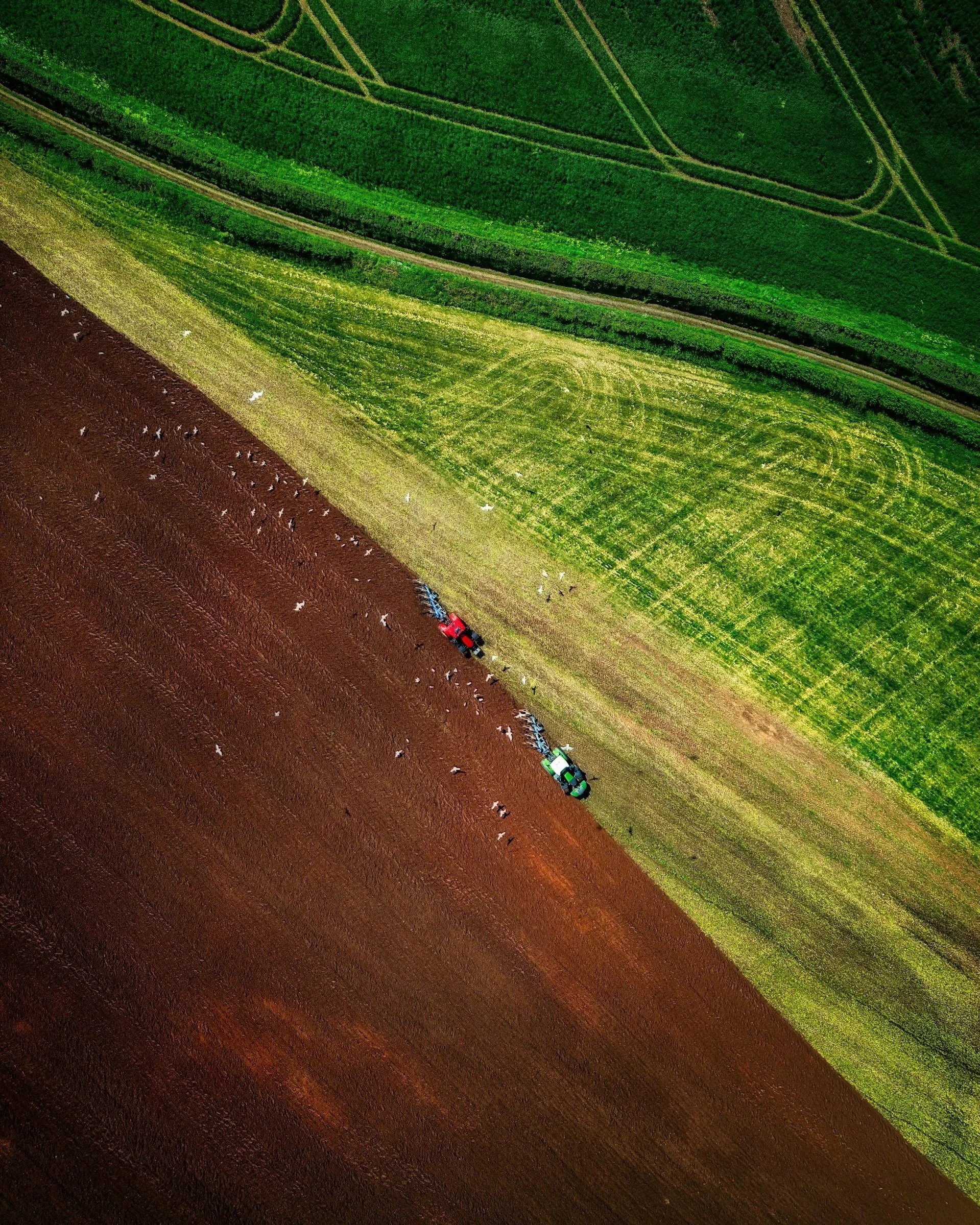
Life Cycle Thinking helps us understand the full impact of products and how they interact with society and nature. Applying this mindset is essential for a circular economy and a regenerative future. By Daniel Vlahek

Digital Product Passports promise to play a key role in transforming how products are designed, used, and reused in a sustainable economy. By Daniel Vlahek
Editor's Picks
Most Popular

Using Minecraft to assist in citizen-led design may seem farfetched, but it’s the surprising collaboration between the UN and Swedish games studio, Mojang, that’s changing the lives of those in our poorest cities.

As more and more of us regularly use fitness trackers to monitor our movement and sleep patterns it’s becoming ever easier to stay focused on our health. But would you go so far as to ingest or inject trackers or tattoo them on your body? Welcome to the world of internables.

With 3D printers now being sold in supermarkets how long before the world of 3D printed food shifts from the realm of highbrow cuisine into the more lowbrow reality of our own kitchens?

As our cities get more and more overcrowded and our planet starts to stumble under the pressure of human expansion, perhaps it’s time we stopped looking around for the answers and looked up instead.
With 3D printers now being sold in supermarkets how long before the world of 3D printed food shifts from the realm of highbrow cuisine into the more lowbrow reality of our own kitchens?

As our cities get more and more overcrowded and our planet starts to stumble under the pressure of human expansion, perhaps it’s time we stopped looking around for the answers and looked up instead.
What if the stories we watch, play and share could help shape a better future? The 2026 Hollywood Climate Summit explored how film, TV, gaming and music can make climate action feel more relevant, hopeful and irresistible. By Daniel Simons