
Masterminding EDEN's Blueprint for Planetary Resilience
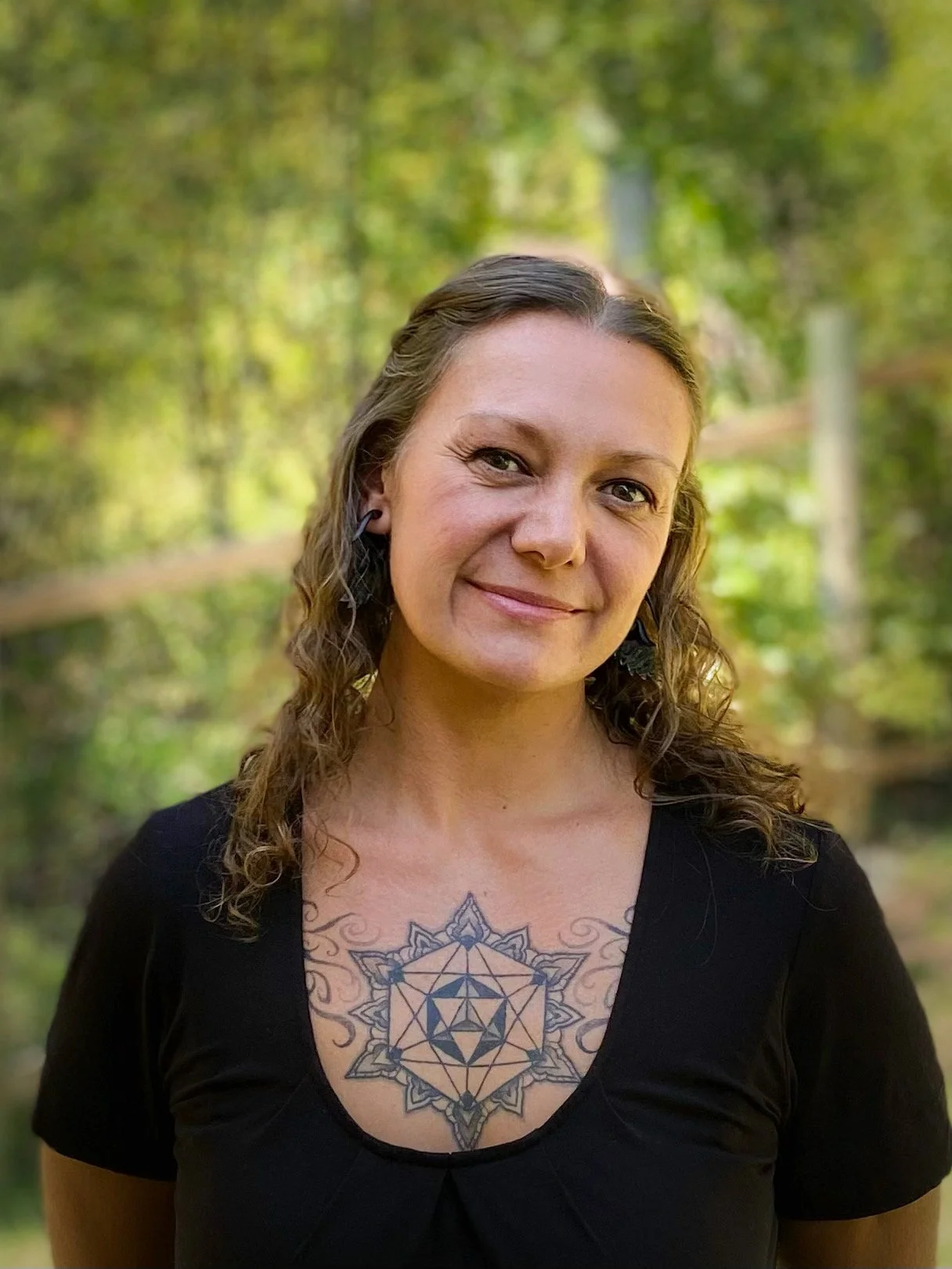
Camara Cassin. Photo provided Masterminding EDEN.
By Daniel Simons
Article Summary
- Masterminding EDEN, founded by Camara Cassin, aims to solve the climate crisis not through new technologies, but by coordinating existing regenerative solutions into a scalable global framework for self-sustaining communities.
- By focusing on village and city-scale solutions, EDEN seeks to create a global network of climate-resilient communities that prove regenerative living works — and can be scaled fast enough to meet the crisis.
"You never change things by fighting the existing reality. To change something, build a new model that makes the existing model obsolete."
For Camara Cassin, this well-worn maxim from Buckminster Fuller is more than just sage advice, it’s the philosophical underpinning of her life’s work.
"Masterminding EDEN is a global co-design initiative uniting experts, innovators, and visionaries to create a framework and scaling engine for regenerative, self-sustaining communities," explains Cassin, the project's founder.
"It is both a response to the accelerating metacrisis and a practical pathway toward a thriving, climate-resilient future." She sees the project as a new global hive mind that can spotlight existing solutions and orchestrate impact at the scale needed to meet our planetary challenges.
"We do not have a technological innovation problem. What we have is a coordination and implementation problem," she says.
According to Cassin, the solutions to humanity's existential threats already exist. Engineers are turning carbon into fuel. Architects are designing homes that store energy in their walls.
Biologists are making cement without heat, but the pieces are scattered across laboratories, communities, and brilliant minds worldwide.
Masterminding EDEN tackles this coordination problem with a four-part plan built to elevate these innovations and accelerate real change.
It was to start with a month-long co-design camp where hundreds of leading thinkers were set to shape a framework for regenerative living. That framework is then sharpened and scaled through a massive multiplayer online game.
From there, the roadmap culminates in a global ecosystem of real-world communities that put the blueprint into practice and reveal what a thriving, resilient and regenerative future can look like.
Due to current geopolitical uncertainty and limited access to capital across the regenerative ecosystem, the camp was postponed. But the work continues online.
Their weekly Regenerative Neighborhood Framework calls will build this together, piece by piece.

Game Plan for a Resilient Future
"EDEN.OS is how we scale the framework globally," Cassin says. "Think of it as a massive multiplayer online design engine that's part game, part simulation, part collective intelligence network, where anyone can contribute to building our regenerative future."
"Forty billion dollars have flowed into Fortnite, a digital world built on scarcity and elimination," Cassin says. "If a game premised on 'everyone is your enemy' can capture that much human attention and capital, what could be possible if we channel the same amount of creativity and intelligence into solving our most urgent challenges?"
EDEN.OS will allow millions of people to co-design regenerative cities, run simulations, and complete real-world impact quests that directly support planetary restoration.
"It transforms EDEN from a single event into a global, ongoing collective intelligence system," Cassin says.
The platform's Asset Library will showcase real regenerative technologies like bioceramic domes, syntropic agroforestry systems, and water harvesting solutions.
"These aren't fictional game items," Cassin emphasises. "They're digital twins of actual solutions that can be deployed in real communities."
"The real breakthrough isn't a new technology, it's a new choreography," Cassin says. "When humanity finally learns to coordinate at a civilisational scale, we stop treating the future as something that happens to us and start treating it as something we can prototype together."
The City Level
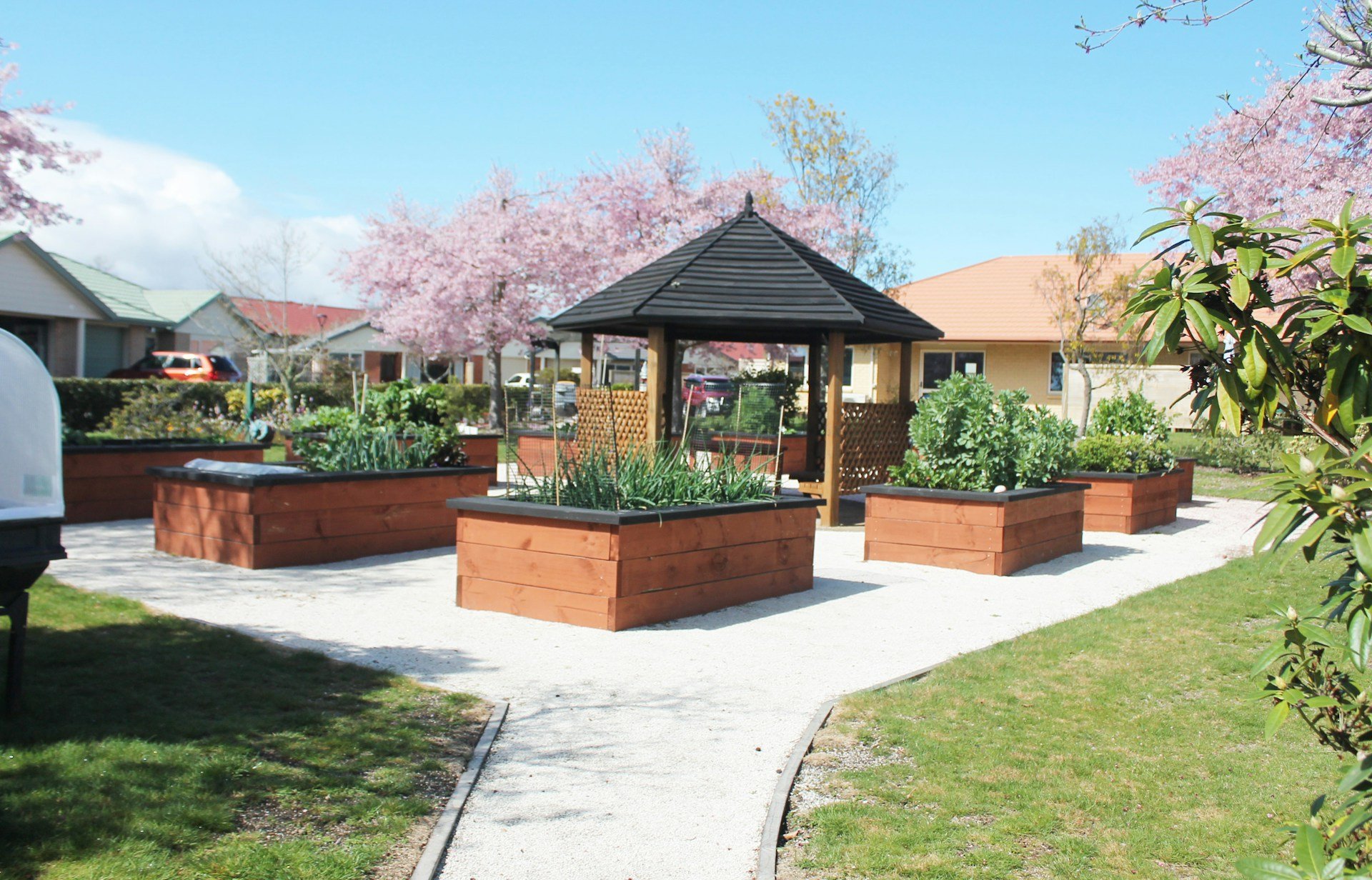
With the challenges on our doorstep being complex, systemic, and interdependent, Cassin believes village and city scale solutions offer our best chance at meaningful transformation. Individual fixes can't address cascading failures.
But at the community level, everything connects, and communities can redesign how all the pieces work together.
“Over the past several decades, pioneers in regenerative design, permaculture, and ecovillage development have been proving that another way is possible,” she says.
Her faith in communities is backed by data.
The Global Ecovillage Network’s 2024 study looked at how ecovillages would hold up in a world that is 2.5°C warmer.
They found that 97 percent are actively restoring degraded ecosystems, 90 percent are sequestering carbon through soil and biomass practices, and 97 percent are working to repair water sources and water cycles.
“ReGen Villages is a great example,” Cassin adds. “They’re building tech-integrated regenerative communities with energy-positive homes, renewable energy, high-yield food production right at your doorstep, vertical farming, smart water management, and waste-to-resource systems.
“Their VillageOS platform even works as a digital twin to design and run fully self-sufficient communities.”
Every regenerative community is unique, but most of them share key characteristics: distributed systems instead of fragile centralised grids, circular systems where nothing is wasted, nature-based solutions that work with ecosystems rather than against them, adaptive design built to withstand climate extremes, and deep community resilience.
Cassin's dream is that the EDEN Framework and EDEN.OS will lead to a global constellation of self-sustaining cities of 10,000 people or more and that these cities will serve as “proof of possibility,” demonstrating to governments and councils worldwide that regenerative living works at scale, and inspiring them to accelerate their own transitions.

The Invitation
"The climate crisis is no longer a future threat," Cassin says, bluntly. "It is here, and it's accelerating faster than most institutions can respond.
"What we're facing isn't just warming," she adds. "It's systemic destabilisation that threatens the foundations of modern civilisation."
To illustrate the scale of the crisis, she points to recent warnings from climate scientist James Hansen, whose research suggests that climate sensitivity is higher than IPCC estimates, the Atlantic Meridional Overturning Circulation that regulates our climate may collapse between 2037 and 2064, and that we’re on track for several metres of sea level rise within decades.
For Cassin, the implications are clear.
"Governments tangled in bureaucracy move too slowly and we cannot wait for top-down solutions."
The EDEN masterminds are “not waiting for permission”. They are building the resilient, regenerative future that humanity needs.
"I've spent this year in deep collaboration with regenerative technologists, universities, architects, game developers, and global systems thinkers, many of whom are now joining the EDEN ecosystem," Cassin explains.
"The question is not whether we can build climate-resilient, self-sustaining communities. The question is whether we will do it fast enough.
"That is why we are building EDEN.OS: a planetary design collaborative, cooperatively owned, supported by AI, and created for real-world implementation.
“The future we create depends on who shows up...”