
Scroll
Featured Stories
Stories
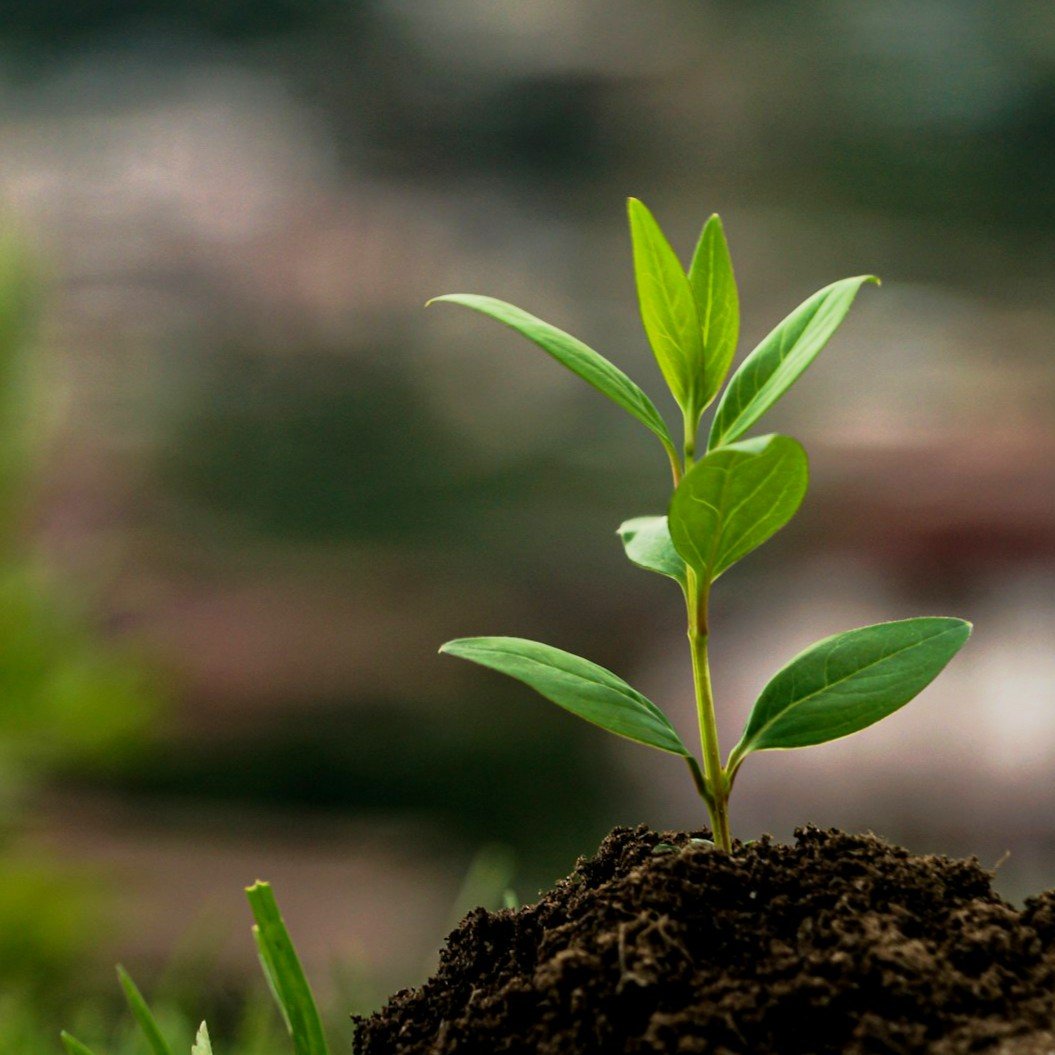
Systemic investing is emerging as a powerful way to bring capital and collaboration together to accelerate meaningful, lasting change. By Daniel Simons
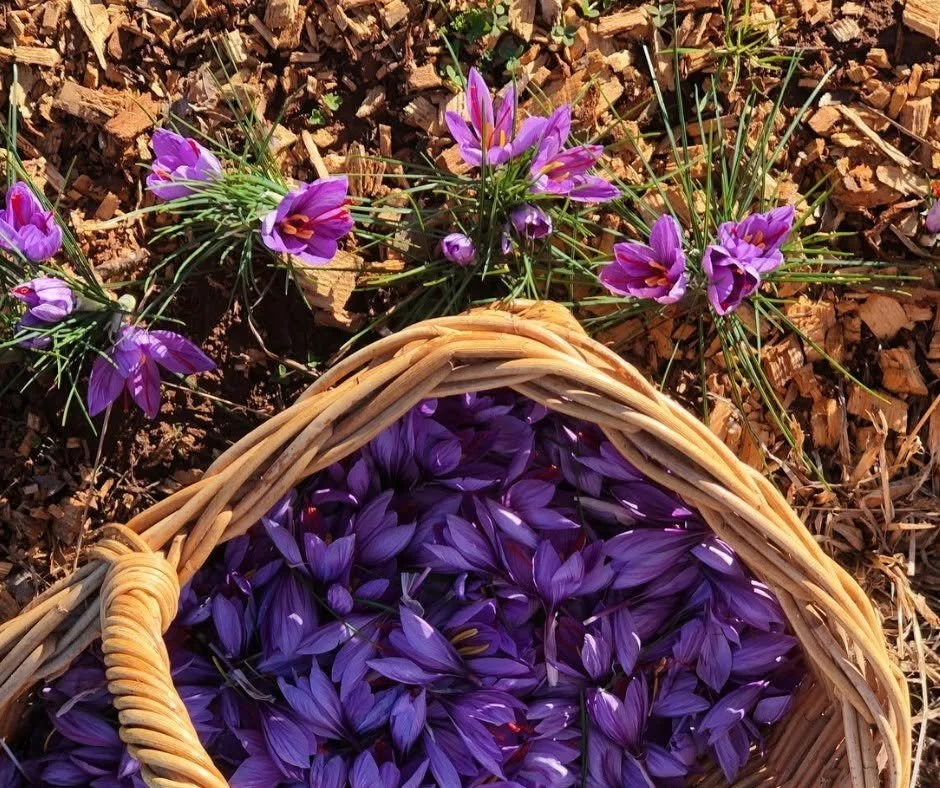
Across Australia, growers are cultivating some remarkably demanding crops: buried truffles, elusive wasabi and painstakingly harvested saffron. Their stories are about more than luxury food. They reveal what can happen when agriculture makes room for patience, scarcity, seasonality and place. By Alexi Freeman
Partner Content
Stories

When it comes to tackling society’s most wicked challenges, some people are ‘dreamers’ and some people are ‘doers.’ For Katie Patrick, the author of ‘How to Save The World,’ dreaming, is doing.

The conference offers a unique opportunity to learn, be inspired, and connect with other designers. Whether you’ve been in design for decades, or just starting out, DO23 has something for most design palettes.

Venture capital firms are like time machines. They let us see the future before it’s created. If you want to know what the world might look like in five or ten years, cast your eyes to the companies that VC firms are investing in now.

Transitions Film Festival director Daniel Simons draws from the feature documentary To Which We Belong to share how regenerative practices can have a dramatic net-positive impact on the planet. Words by Transitions Film Festival

With great power comes great responsibility. AI has the potential to both harm and help society – the path it takes, writes Renata Carli, is up to us.
Words by Renata Carli

One in five Australians have a disability. So why aren't we designing our cities for them?
Words by Fiona Murphy

To prevent catastrophic climate change, we need to halve global carbon emissions by 2030. Intimidated? Fortunately, sustainable energy is more accessible than we once thought.
Words by Maddison Brake, Melina Bunting and Chantelle Gourlay

We know that technology is becoming increasingly intertwined with the daily functions of society, but what are the physical and environmental costs of the exponential growth of ‘the cloud’? Tyson Yunkaporta reflects on the Internet of Things and Indigenous sovereignty in this excerpt from Issue 4.
Words by Tyson Yunkaporta

We are living through a period of improvisation. How can we use it to invent a more responsible way of life? Melissa Howard and Eben Kirskey talk ‘pandemic projects’, non-human companions and lessons we could learn from COVID.
Words by Melissa Howard

It’s difficult to say where technology will take us in ten years, let alone 50 or 100 – let alone imagine the jobs that will populate this unknown future. As the world of work is increasingly automated, we are seeing an entirely new spectrum of work emerge at the intersection of human and machine skills and capabilities. What will those jobs be? And what does the evolving landscape of employment mean for the workforce of today?
Words by Cher Tan. Illustrations by Lee Lai.
Stories
Featured

What if we stopped seeing water as something to control and started understanding it as a living connection between people, place, and memory? Actions for Water II, an exhibition in Bendigo, brings Indigenous knowledge and contemporary art into conversations about colonial infrastructure, ecological restoration, and water sovereignty. By Alexi Freeman
Systemic investing is emerging as a powerful way to bring capital and collaboration together to accelerate meaningful, lasting change. By Daniel Simons
Across Australia, growers are cultivating some remarkably demanding crops: buried truffles, elusive wasabi and painstakingly harvested saffron. Their stories are about more than luxury food. They reveal what can happen when agriculture makes room for patience, scarcity, seasonality and place. By Alexi Freeman
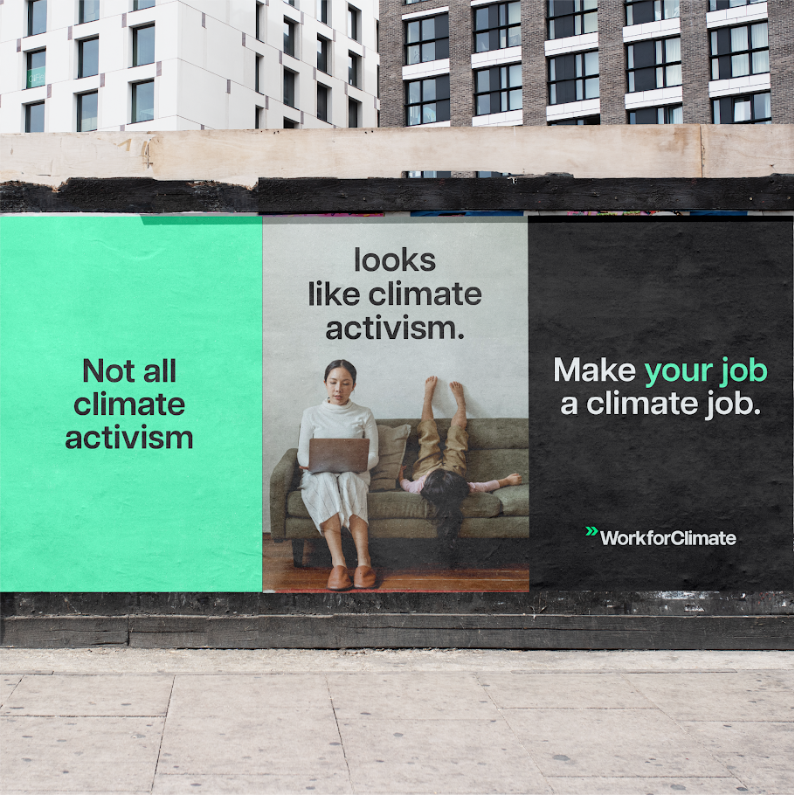
Lucy Piper and WorkforClimate are building a global community of employees organising within their companies to create change at scale. With practical blueprints, case studies, and collective action, the workplace becomes a powerful climate lever. By Daniel Simons
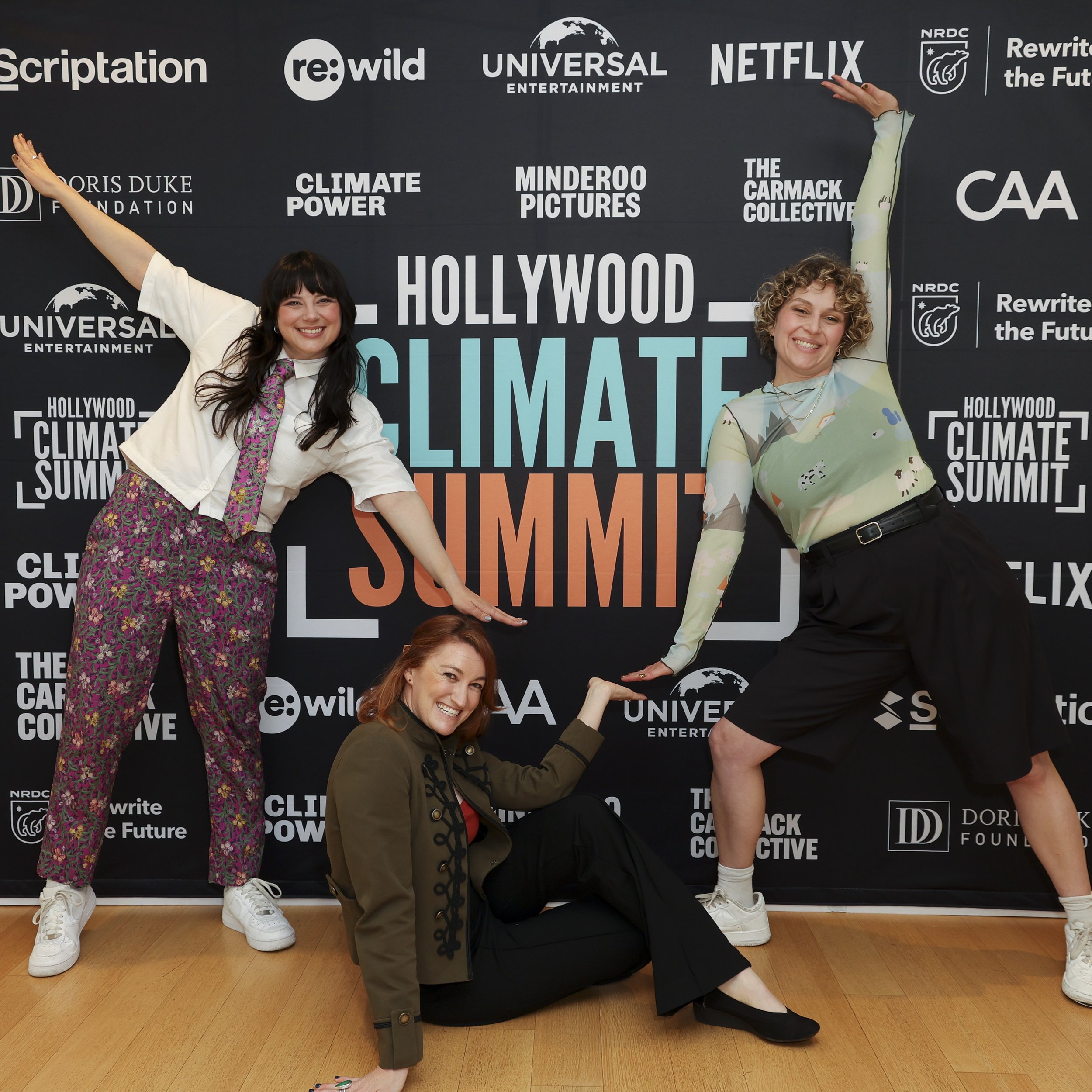
What if the stories we watch, play and share could help shape a better future? The 2026 Hollywood Climate Summit explored how film, TV, gaming and music can make climate action feel more relevant, hopeful and irresistible. By Daniel Simons
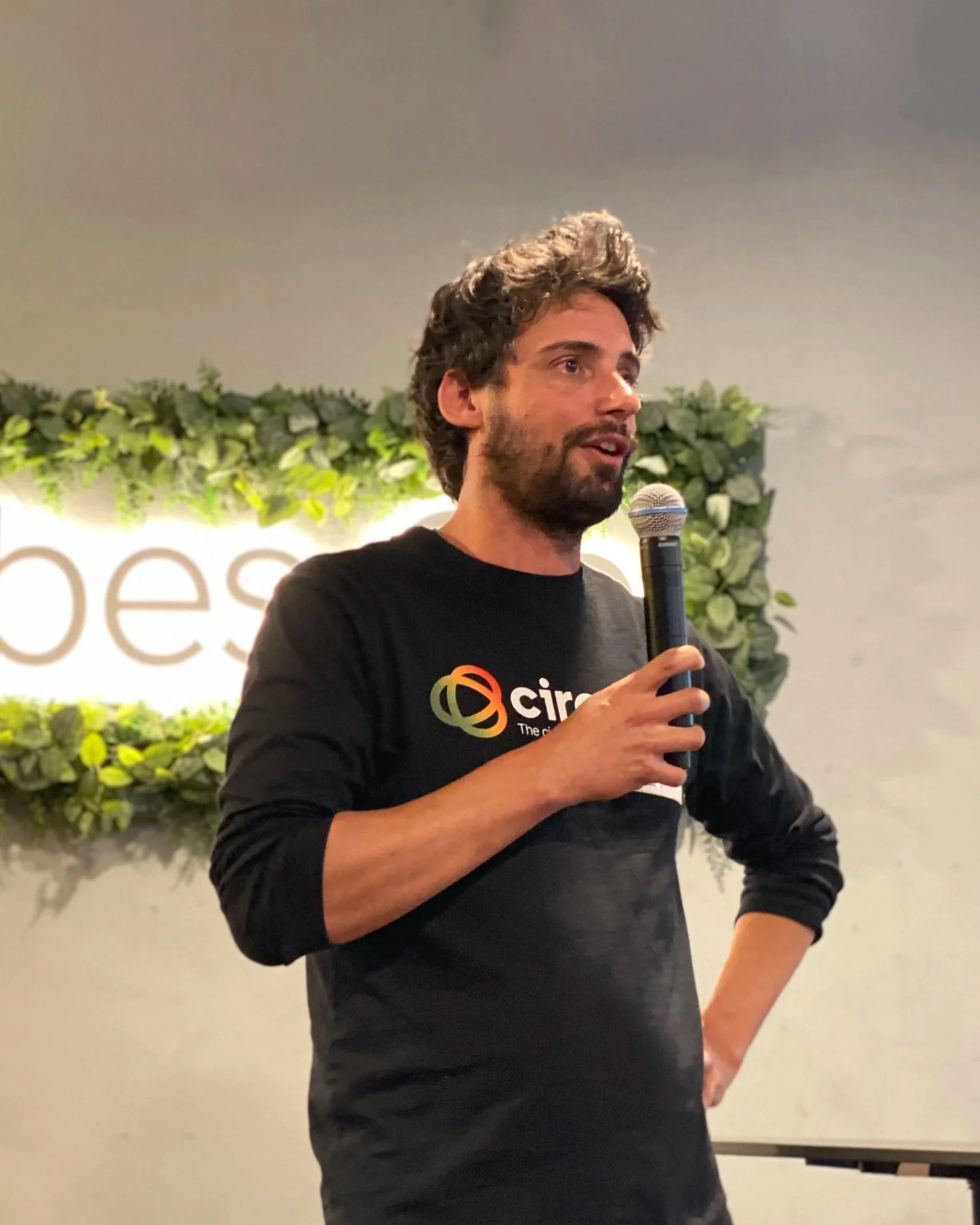
By connecting companies with circular-economy businesses that can eliminate waste at its source, the Australian venture Circuiti is turning discarded materials into opportunities for savings, innovation and smarter operations. By Daniel Vlahek
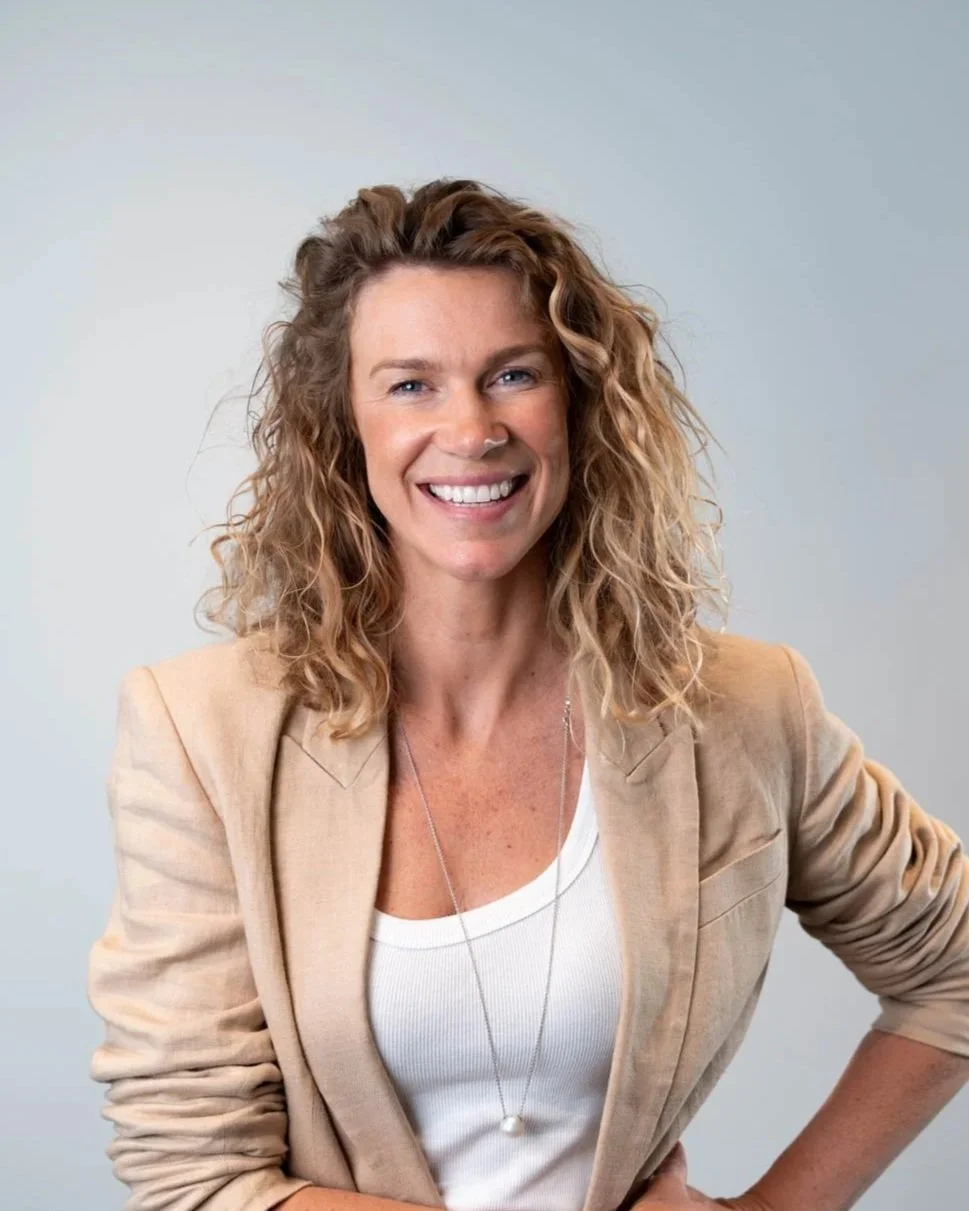
Discover Greenhouse, where climate startups, major investors, NGOs, and everyday innovators work side by side in Australia’s epicentre for climate innovation and action, in this chat with Charlotte Connell, Greenhouse's Director of Innovation and Investment. By Daniel Simons
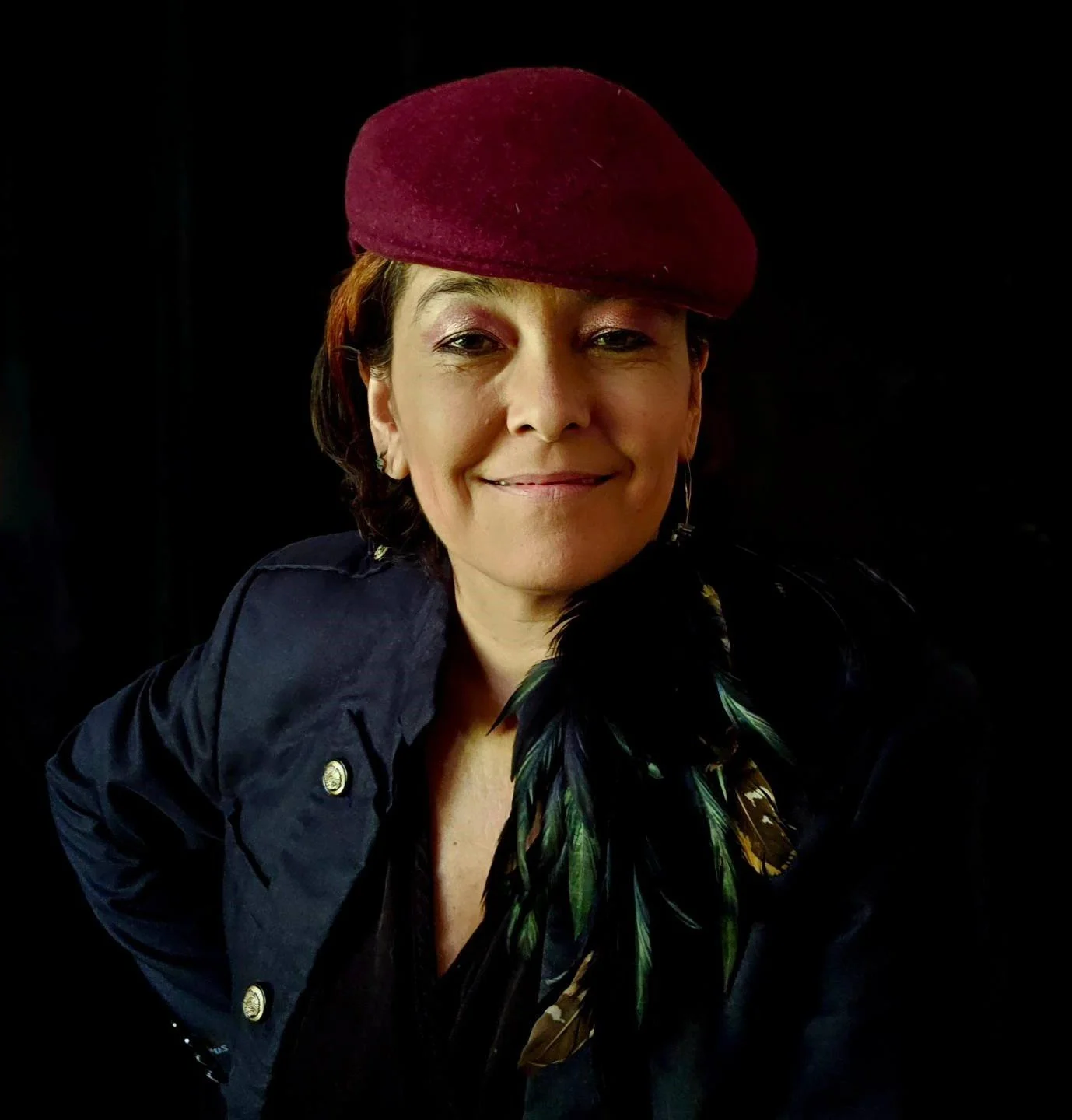
Emmy-winning filmmaker Lisa Russell is using AI to break down barriers in filmmaking and put creative power into more hands. She speaks with Matters Journal about her journey, the ethics of AI, and how tech-enhanced storytelling can shape our future. By Daniel Simons
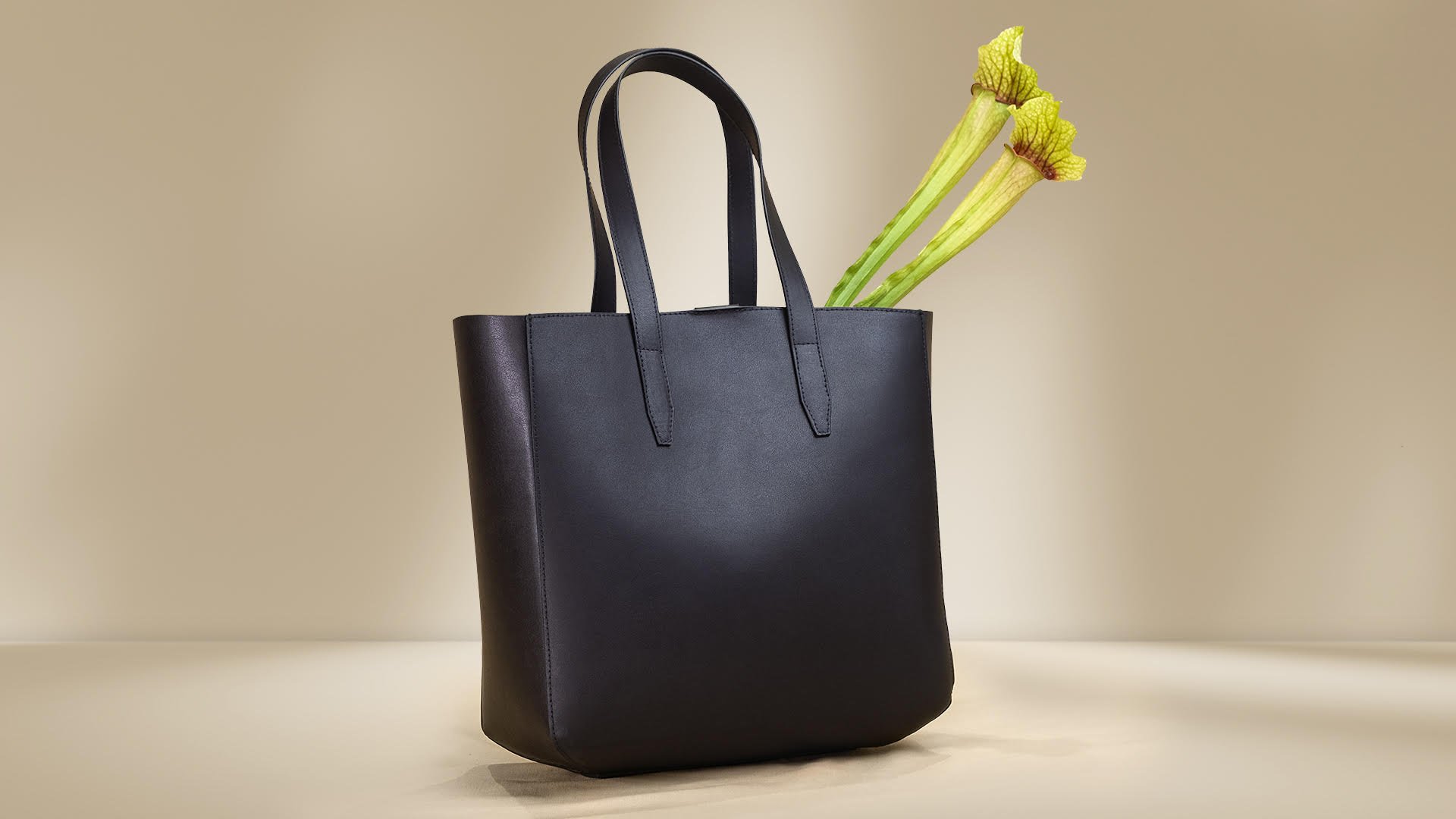
Nature leaves nothing to waste—and Australian designers are embracing the same philosophy. Through innovative work of companies like by Alt. Leather, Studio Flek and Defy Design, discarded materials are finding new purpose as regenerative products with lasting impact. By Alexi Freeman
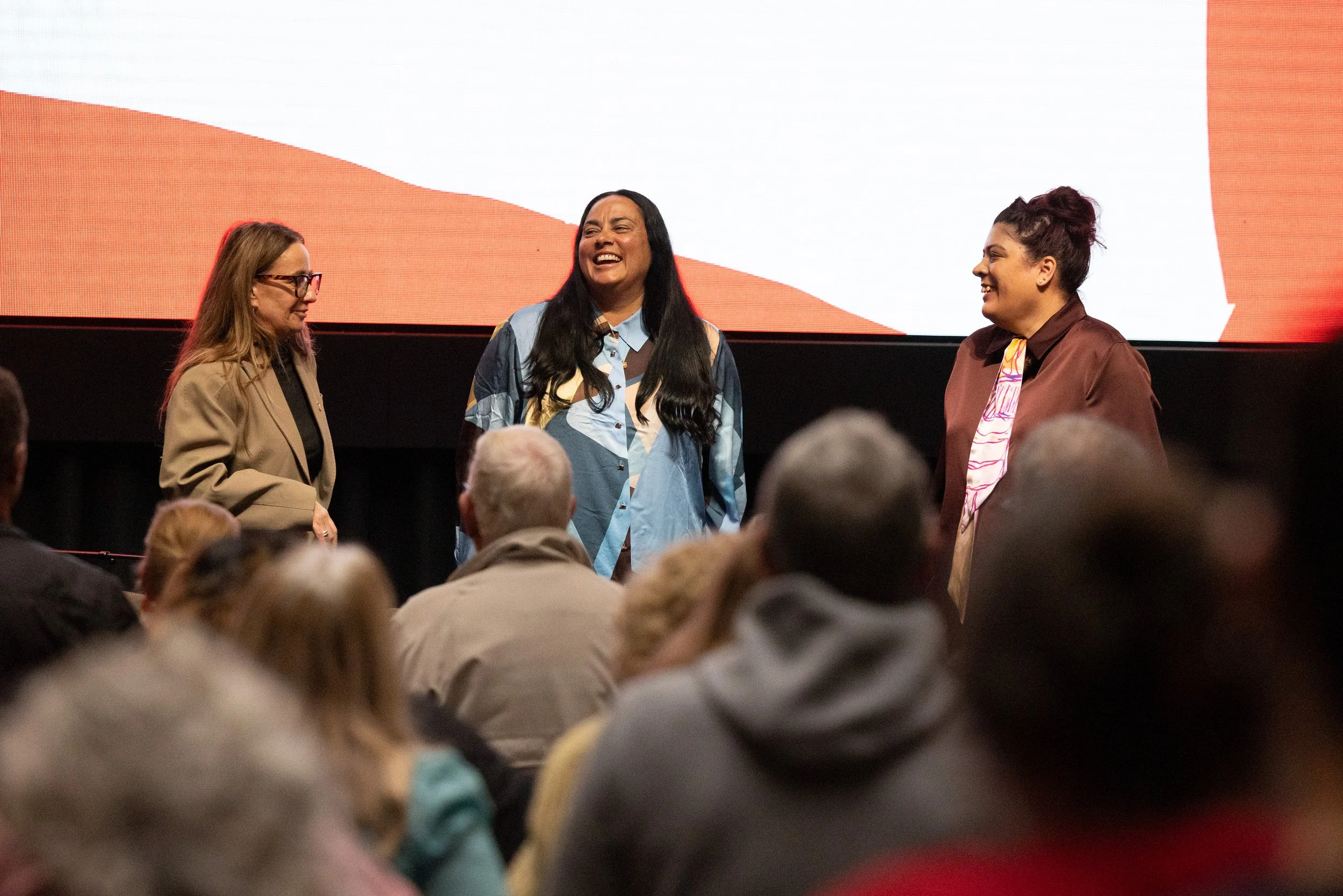
What happens when truth-telling becomes action? At Melbourne Writers Festival’s Making the Victorian Treaty panel, First Peoples leaders and advocates explored Victoria’s landmark Treaty and the decades of work behind it. By Alexi Freeman
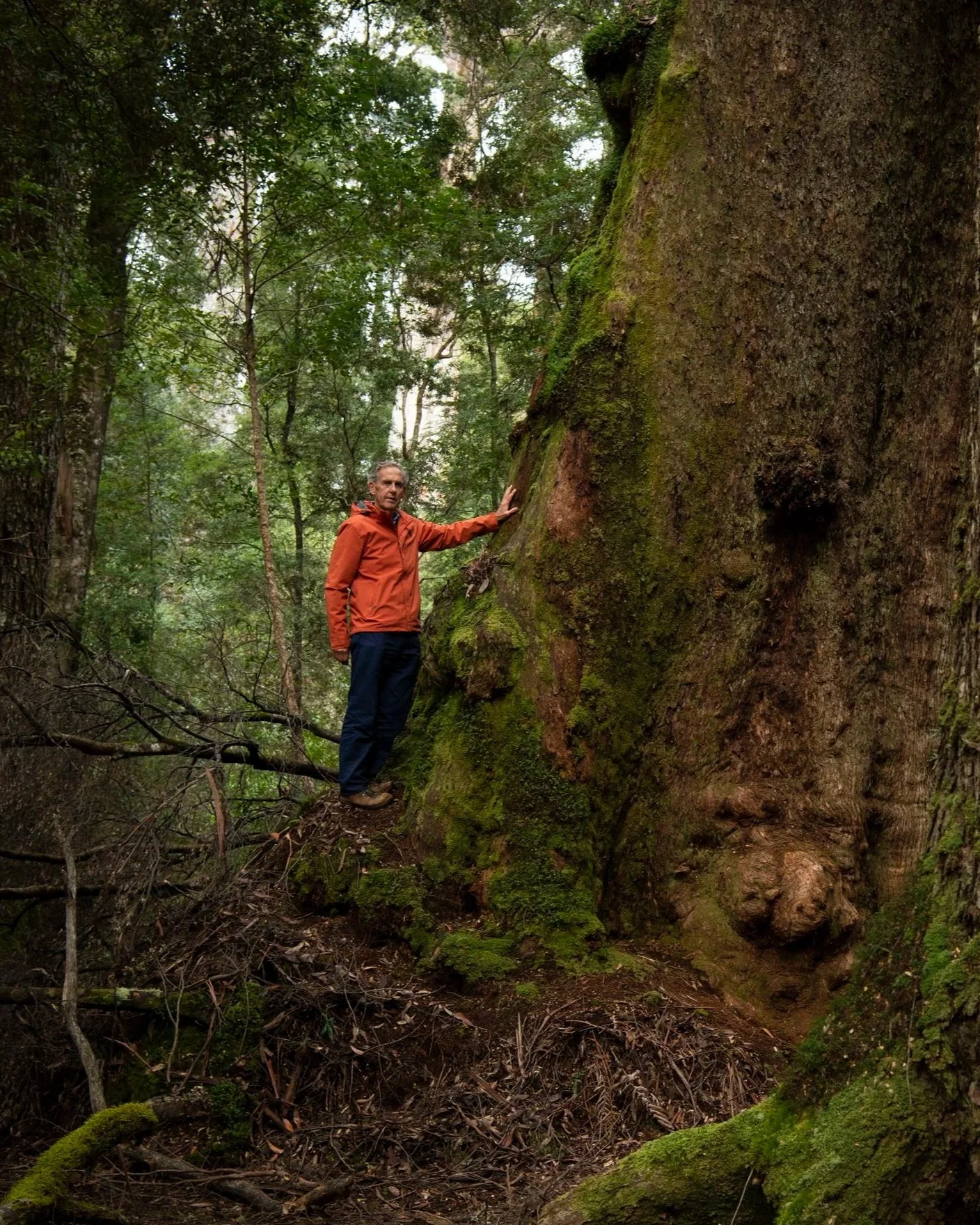
At the Melbourne Writers Festival 2026, Dr. Bob Brown reclaimed the term while tracing a centuries-long tradition of environmental courage. From historic acts of sacrifice to modern campaigns protecting Tasmania’s forests, he connects past and present in a compelling call to action. By Alexi Freeman
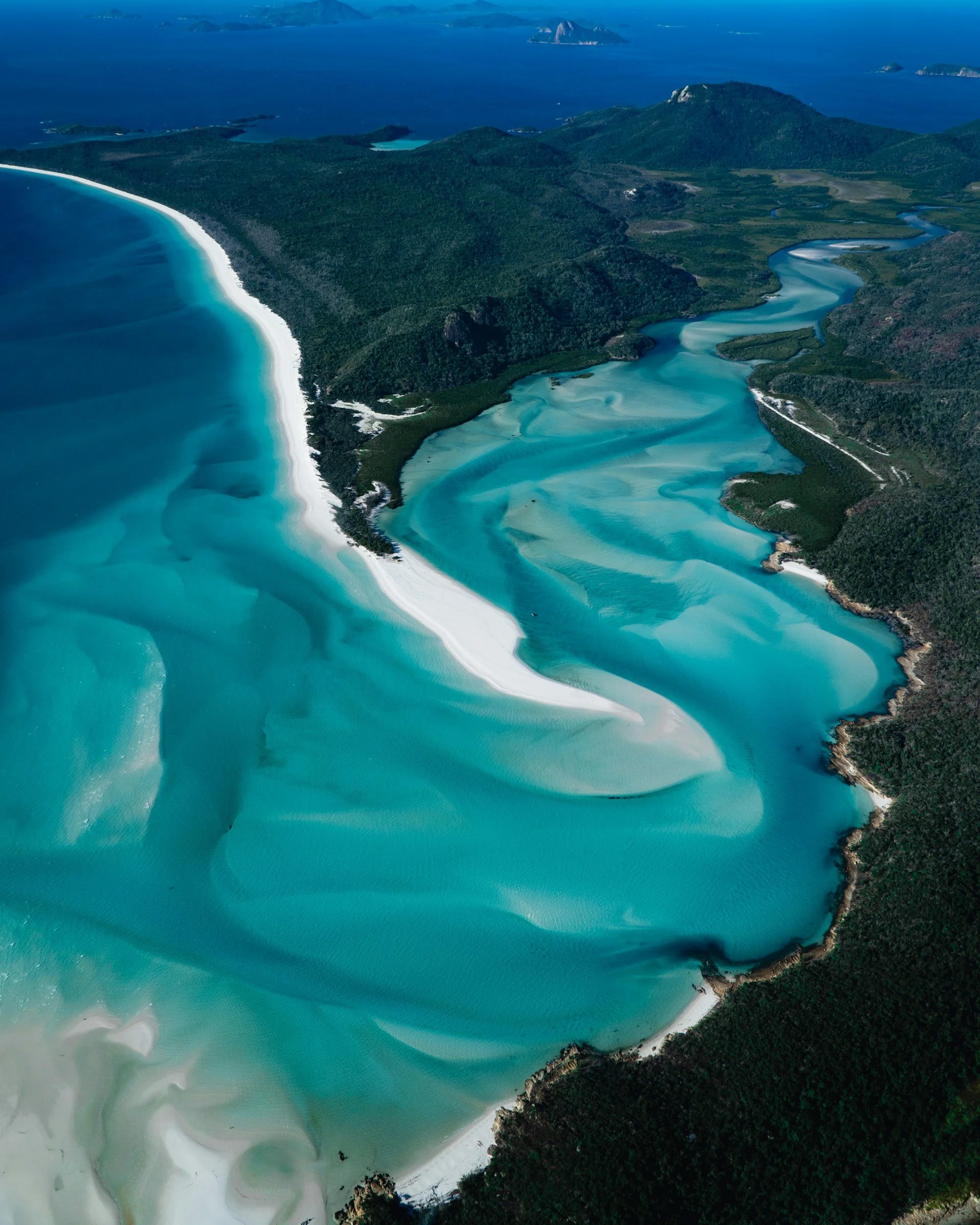
As rising seas and extreme weather reshape communities worldwide, Aboriginal and Torres Strait Islander peoples are on the frontlines of climate change despite contributing least to the crisis. By Daniel Vlahek

Follow Us

What if we stopped seeing water as something to control and started understanding it as a living connection between people, place, and memory? Actions for Water II, an exhibition in Bendigo, brings Indigenous knowledge and contemporary art into conversations about colonial infrastructure, ecological restoration, and water sovereignty. By Alexi Freeman