
Understanding Victoria’s Historic First Treaty with First Peoples
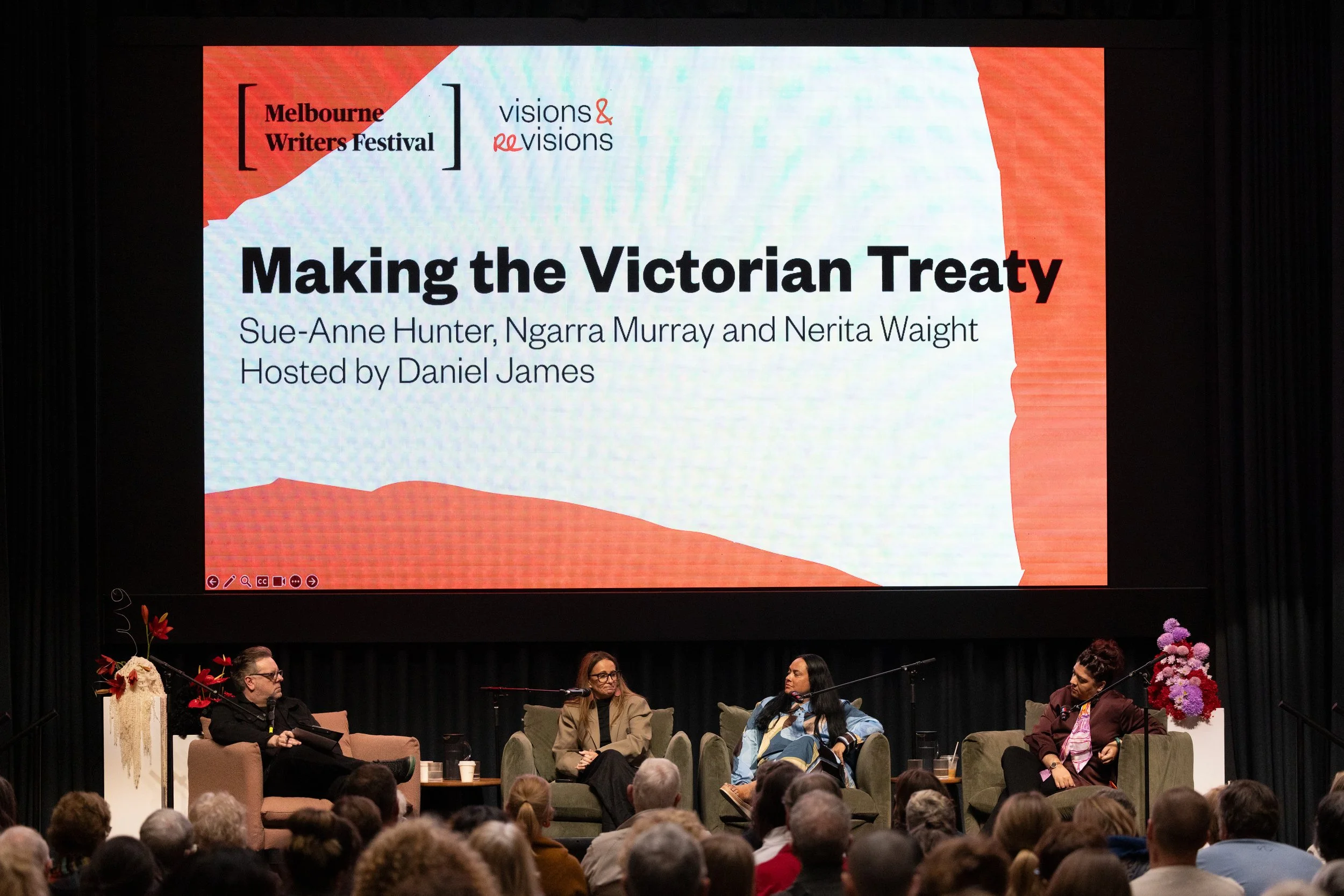
Daniel James, Sue-Anne Hunter, Ngarra Murray, and Nerita Waight at the Melbourne Writers Festival 2026 panel discussion, Making the Victorian Treaty. Photo by Tim Herbert.
By Alexi Freeman
Article Summary
- Victoria has officially signed Australia's first Treaty with First Peoples, which functions not as a symbolic gesture but as a practical framework for a new, equitable relationship rooted in truth-telling.
This agreement evolved from years of formal truth-telling efforts that addressed systemic injustices, establishing structured governance designed to foster self-determination.
While the Treaty faces ongoing political challenges, its long-term viability relies on successful implementation and the collective effort of all Victorians to embed these principles into everyday life.
For thousands of generations, the lands, waters, and skies now known as Victoria were walked, cared for, burned, harvested, and remembered through First Peoples’ law, storytelling, and custodianship.
Nearly 250 years after colonisation, Victoria became the first Australian jurisdiction to sign a Treaty with First Peoples — a historic moment and the beginning of a new Treaty era.
At Melbourne Writers Festival 2026, during a panel titled Making the Victorian Treaty, host Daniel James didn’t begin with legislation but with memory.
James, a writer and broadcaster, spoke of a “heavy cloak of forgetting and silence” draped over a mirror of truth. The cloak was designed to smother the past, but beneath it, memory stayed alive.
Much of the public debate around Treaty still happens in the dark: before the document has been read, its mechanisms understood, or the history that made it necessary faced.
Joining James on the panel were Ngarra Murray, Co-Chair of the First Peoples’ Assembly of Victoria; Nerita Waight, CEO of the Victorian Aboriginal Legal Service and Treaty negotiator; and Sue-Anne Hunter, Yoorrook Deputy Chair and Commissioner, and National Commissioner for Aboriginal and Torres Strait Islander Children and Young People.
Together, they described Treaty not as a symbolic endpoint but as the practical beginning of a new relationship between First Peoples and the broader community of Victoria — one that turns truth-telling into structure and structure into self-determined change.
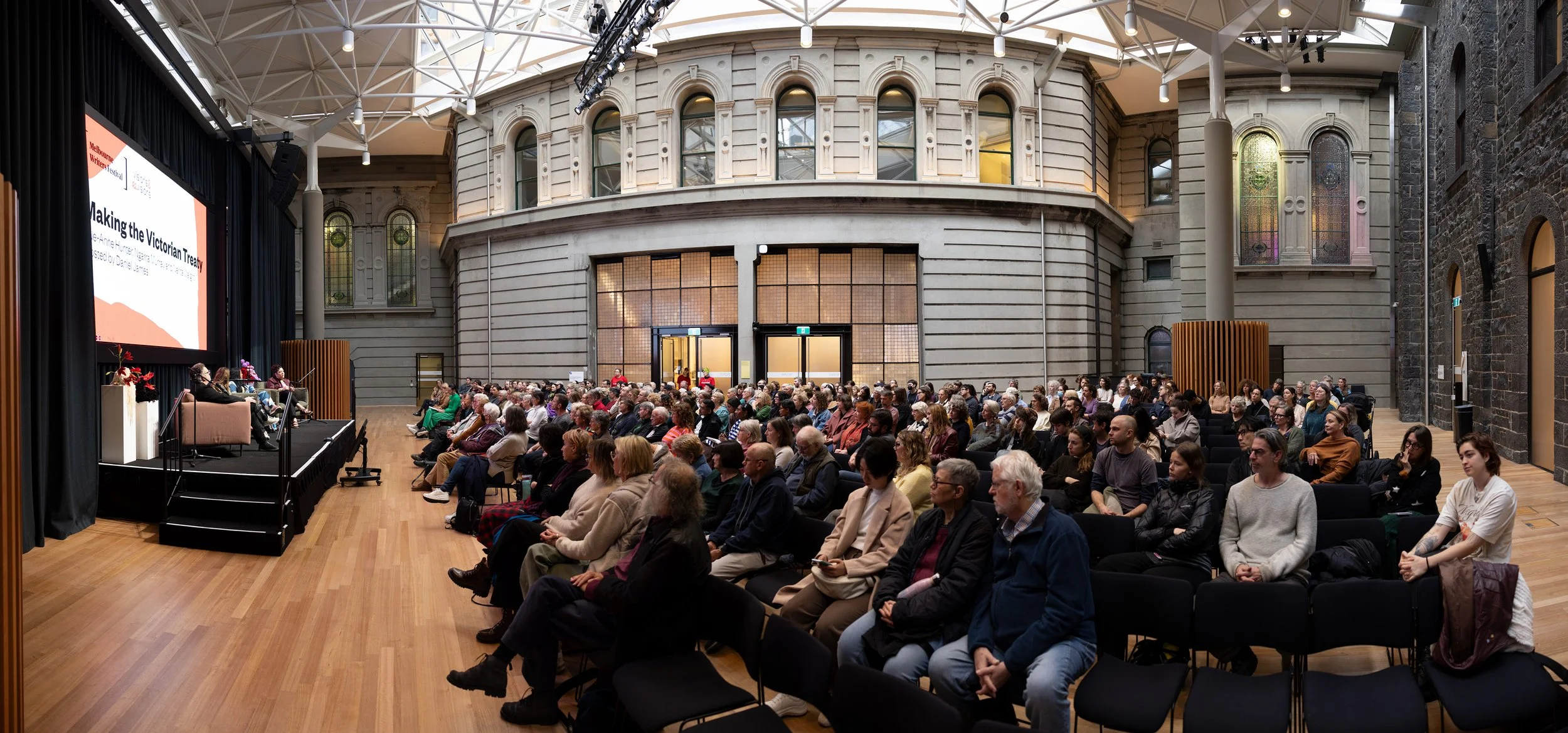
The audience at Making the Victorian Treaty. Photo by Tim Herbert.
A New Relationship
“For me, Treaty is about relationships,” Murray said. “It's about how we come together in the State of Victoria in a new era.”
Treaty is also a formally negotiated agreement — the result of many months at the table, carried on the shoulders of many generations of resistance before that.
For Murray, its meaning isn’t confined to the signed document. It is about recognition and respect for First Peoples on their own lands, a long-overdue dialogue about history, and finding a better way to coexist on Country.
Victoria’s Statewide Treaty commenced on 12 December 2025, after a decade of consultation and negotiation. Described in the document as “the beginning of a Treaty era,” it establishes Gellung Warl — meaning “tip of the spear" — as an ongoing representative and deliberative body for First Peoples in Victoria.
Treaty is often misunderstood as purely symbolic or dangerously radical. The document tells a more practical story: it doesn’t change the Victorian or Commonwealth Constitution, establish a third chamber of parliament, change tax laws, or provide individual financial reparations.
Its immediate reforms include truth-telling in the Victorian curriculum, place-naming processes that support language revitalisation, a First Peoples' Infrastructure Fund, and the transfer of several First Peoples’ programs and events.
Treaty is not simply recognition. It is culturally grounded governance set into law.
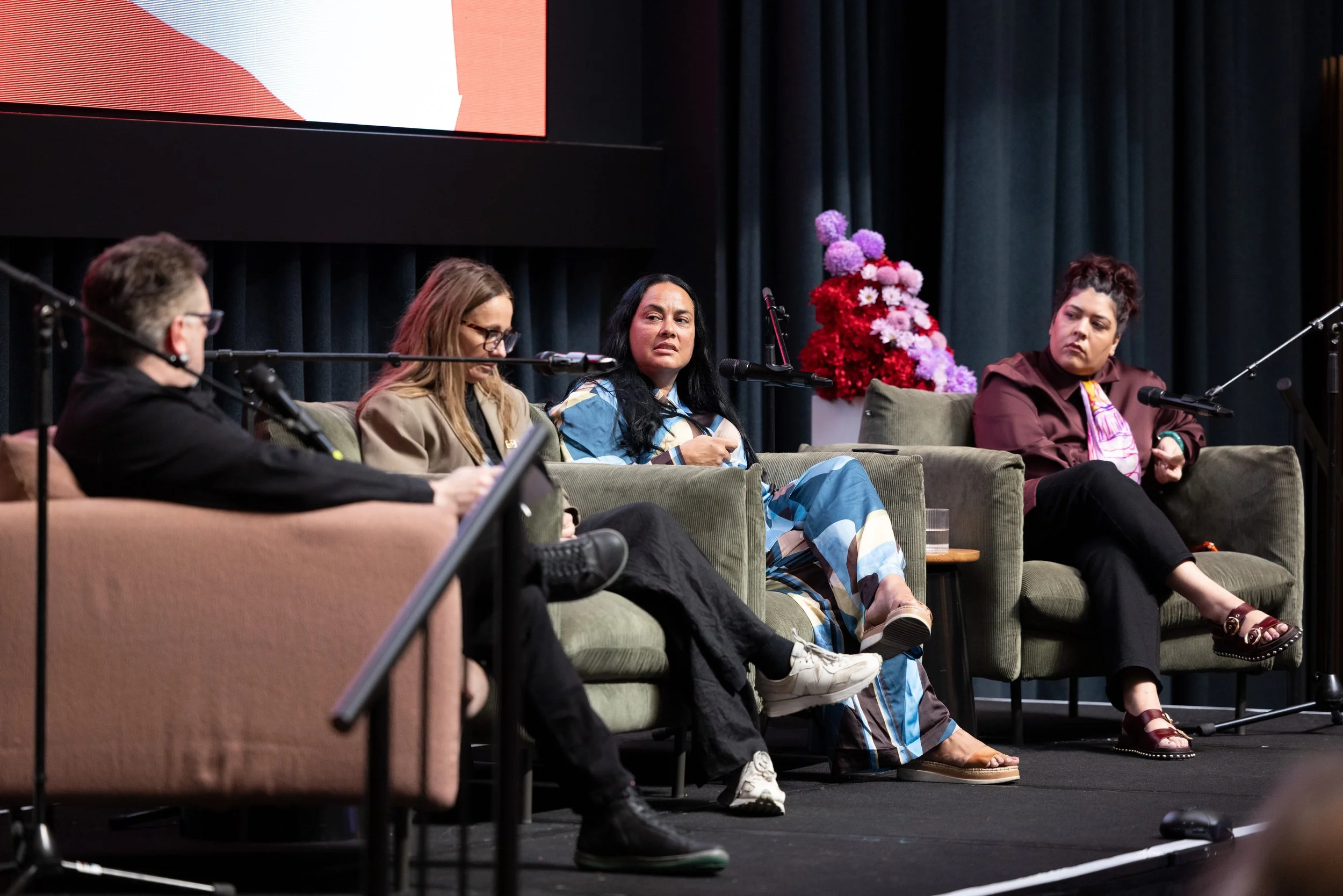
Daniel James, Sue-Anne Hunter, Ngarra Murray, and Nerita Waight at the Melbourne Writers Festival 2026 panel discussion, Making the Victorian Treaty. Photo by Tim Herbert.
Truth Before Treaty
For Sue-Anne Hunter, the foundation of that governance is truth.
As a Yoorrook Justice Commissioner, she spent years listening to First Peoples give evidence about colonisation and its intergenerational impacts.
“People didn’t need to tell their truth, but they did.”
Yoorrook was Australia’s first formal truth-telling process, creating a public record of systemic injustice. But Hunter resisted any suggestion that truth-telling was merely documentary.
“By reading the evidence, you honour the stories.”
Treaty didn’t appear out of thin air; it emerged from testimony, grief, resistance, and survival — from people placing painful truths on the public record so Victoria could no longer claim it didn’t know.
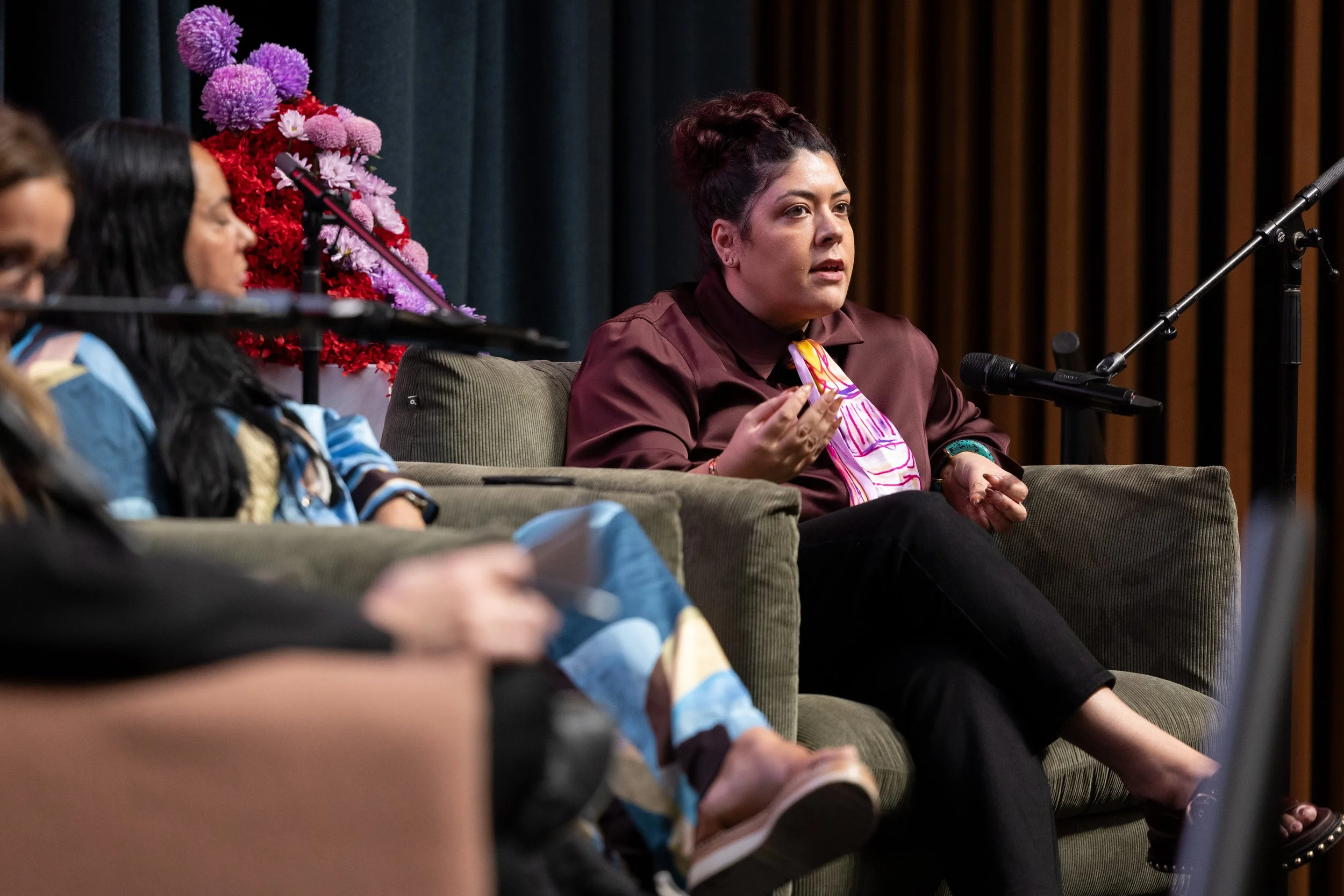
Nerita Waight speaks at the Making the Victorian Treaty panel discussion. Photo by Tim Herbert.
The Harm is Present Tense
Nerita Waight brought that history into the here and now, describing the ongoing impacts of colonial systems through child protection, policing, youth justice, incarceration, and deaths in custody.
She painted a dismal scene of Aboriginal children removed from family, moved between placements, denied support, and then criminalised for behaviour stemming from distress and upheaval.
“They shouldn't be charged in the first place," Waight said. “That first initial contact is incredibly harmful to them.”
Once a child enters the system, they're more likely to return. The result moves beyond individual harm into generational incarceration.
“This is my everyday… This is what I have to manage.”
Waight linked this daily reality to reforms fought for after the deaths of Aunty Tanya Day and Veronica Nelson. Aboriginal advocacy helped end the criminalisation of public drunkenness and reformed bail laws in ways that benefited everyone.
“What Treaty offers is the ability to transform the system, to enact self-determination, and to make sure that we don’t have to be fighting these acute examples every day,” Waight said.
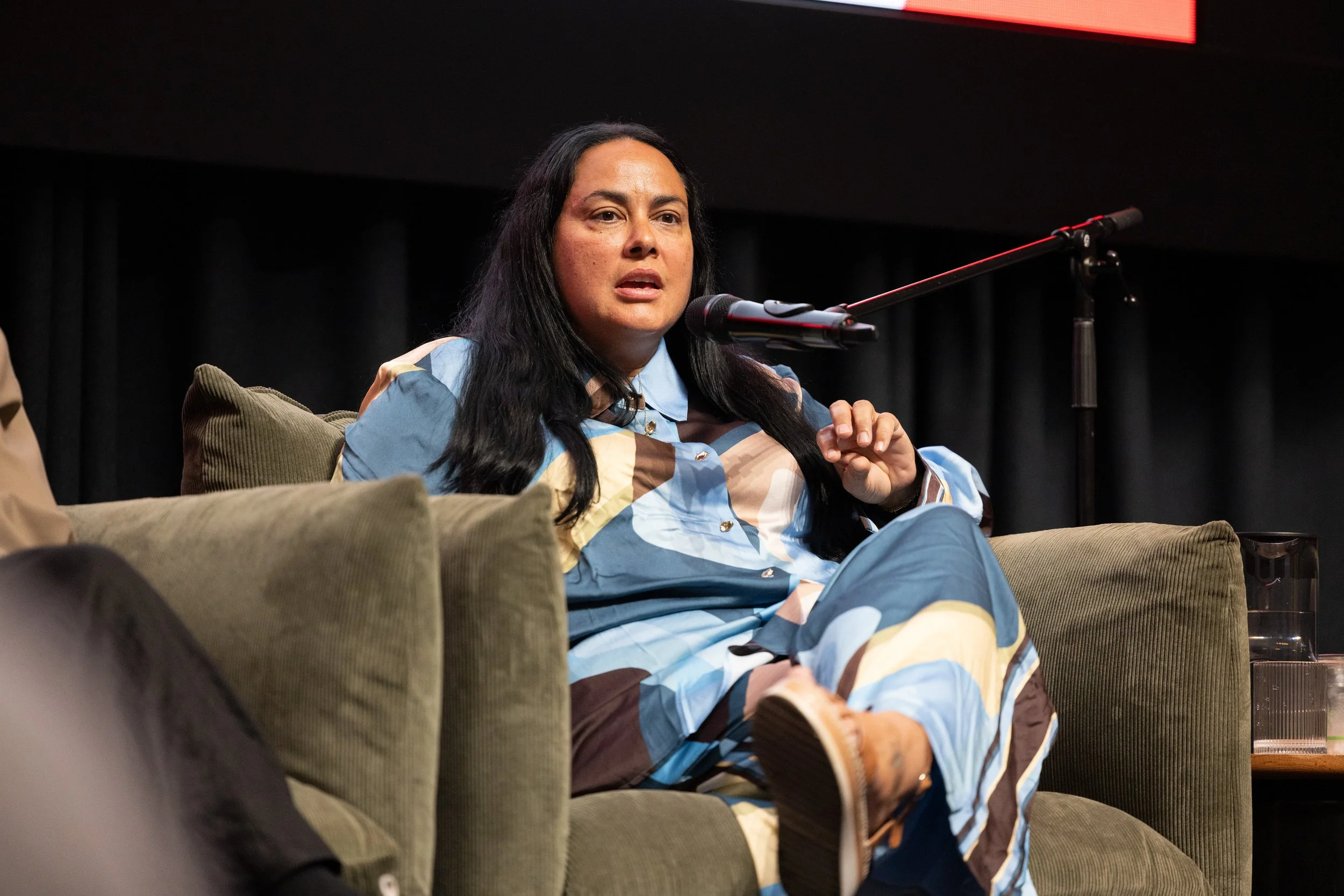
Ngarra Murray speaks at the Making the Victorian Treaty panel discussion. Photo by Tim Herbert.
From Truth to Structure
This is where the mechanisms of Treaty become crucial.
Gellung Warl includes the First Peoples' Assembly of Victoria, alongside Nginma Ngainga Wara, an accountability mechanism, and Nyerna Yoorrook Telkuna, an ongoing truth-telling and healing body.
For Murray, the Assembly’s earlier work was about “creating our own Black democracy" — building the structures needed to negotiate from collective authority.
It also helped establish Victoria’s Treaty-making foundations: the Treaty Authority, the Self-Determination Fund, the Treaty Negotiation Framework, and Yoorrook itself.
“We couldn’t have Treaty without the truth,” Murray said.
The next test is implementation. Victorian Aboriginal Affairs has never lacked reports, strategies, or frameworks. But too often, those documents have lacked resources, review, and consequence.
“Sometimes the strategies are there, but they’re not being implemented," Waight said.
Treaty is not designed to be shelved as just another document. Its accountability structures ask what happens after the report, after the strategy, and after the promise.
But even with these structures in place, Treaty remains vulnerable.
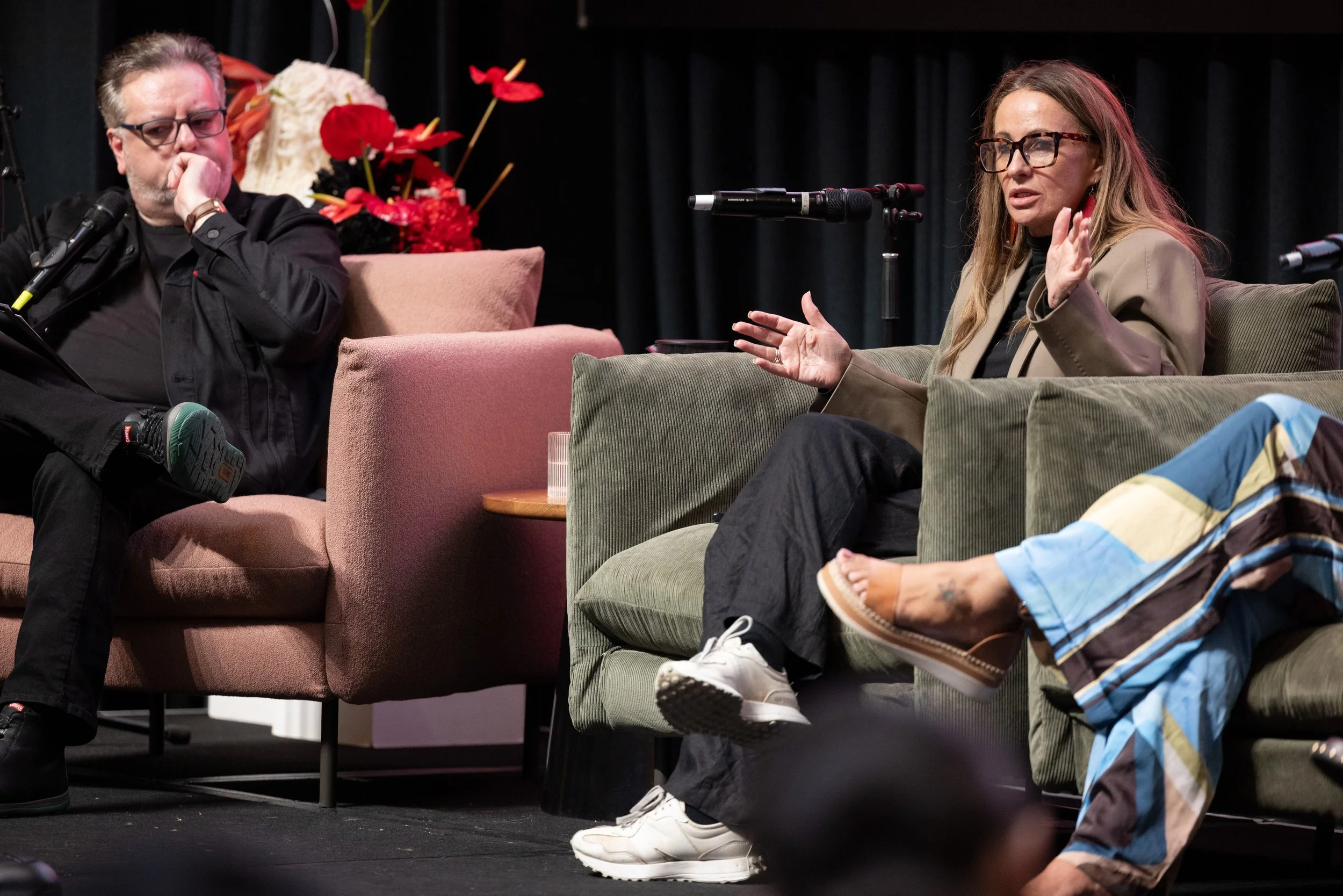
Sue-Anne Hunter speaks at the Making the Victorian Treaty panel discussion. Photo by Tim Herbert.
Holding the Promise
James described decades of aspirations, years of “hard graft," Australia’s first truth-telling commission and thousands of pages of testimony feeding into a Treaty framework designed to be unbreakable.
“And now… It's all under threat,” said James.
Murray highlighted the loss of bipartisan support after the failed referendum and the difficulty of passing Treaty legislation through Parliament without it.
"As Aboriginal people, we’re always politicised. No matter what we do, we’re politicised.”
The threat of repeal, Murray said, “makes me feel sick to the stomach.”
Waight added that Treaty could be torn up, or perhaps worse, praised in public while hollowed out internally — celebrated on paper rather than lived as a relationship.
“A real challenge for Gellung Warl is being able to hold government to its commitments,” Waight said, “to make them see it not as just mere words on paper, but as a spirit and intention to live up to.”
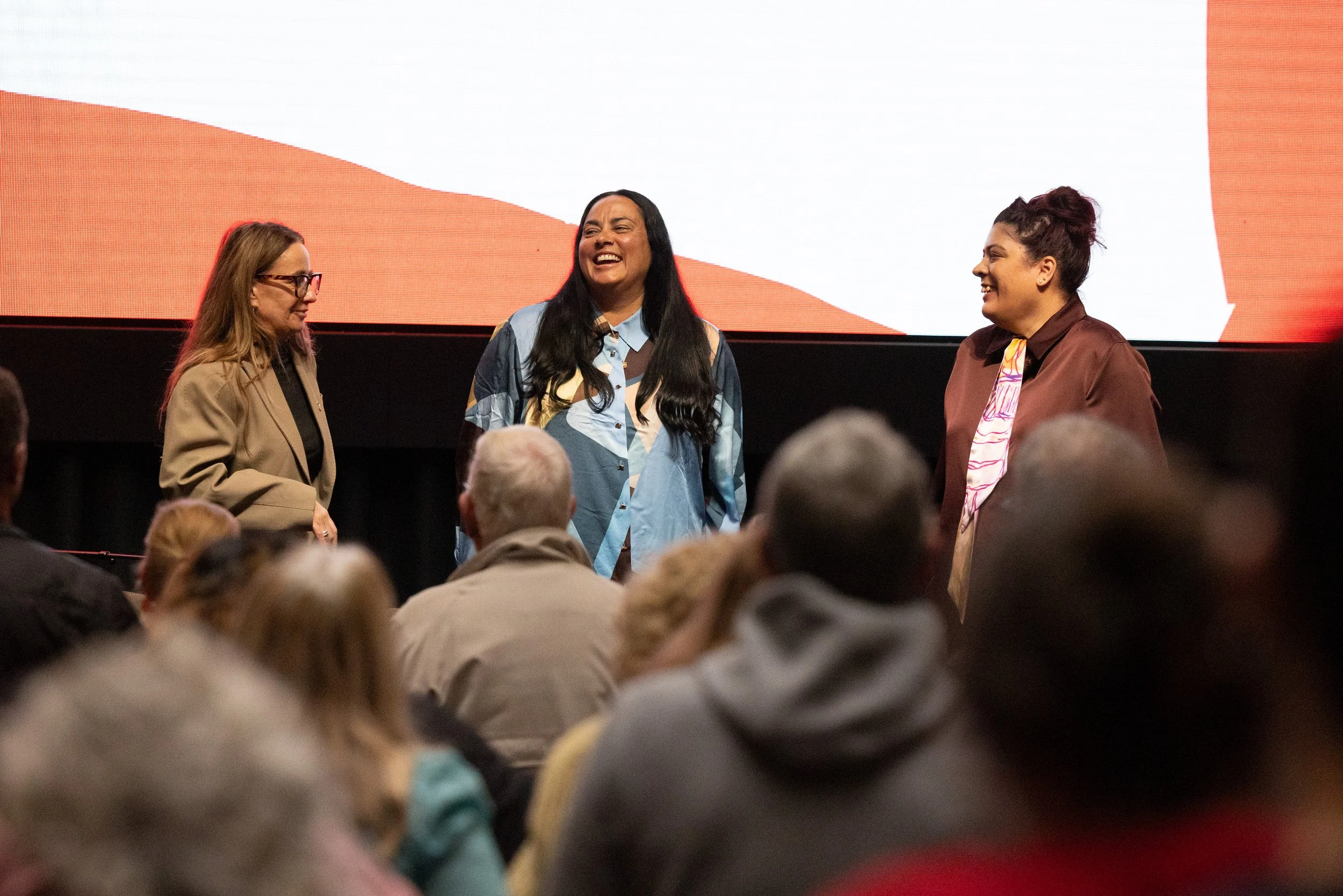
Sue-Anne Hunter, Ngarra Murray, and Nerita Waight at the Melbourne Writers Festival 2026 panel discussion, Making the Victorian Treaty. Photo by Tim Herbert.
Treaty, Every Day
That may be the work now: protecting Treaty in law while weaving it into the fabric of everyday life.
“The things that last the most,” said Waight, “are the things that become part of our everyday, things that become unchallenged in our minds and just accepted.”
Treaty becomes harder to unwind when it’s not left for First Peoples to defend alone. It becomes more embedded when Victorians understand what it is, what it is not, and why it matters — when its threads run through classrooms, courtrooms, public institutions, and community-based conversations.
Hunter narrowed the frame: “Think about where you want to be on this side of history.”
Murray, looking toward future Traditional Owner Treaties, widened it again: “We’ve waited 250 years to get to this first Treaty, and it’s been thousands of years in the making.”
James described why this conversation belonged at a writers' festival. “We’re collectively writing not only our own history; we’re writing our own future.”
First Peoples have carved a path to Treaty through generations of truth-telling, organising, negotiating, and hard graft. The responsibility now belongs to everyone who calls Victoria home — to help carry these words from the page into real life.
If the old cloak was worn for forgetting, it’s time to lift the shroud and face the mirror of our past with open eyes.
Only then might Victoria see past the exclusive society made by colonisation, and into the inclusive one Treaty invites us to become.
- Read the full text of the Statewide Treaty on the Treaty Victoria site.