
Social Enterprise Success: Spotlight on the Amazing Purpose Precinct
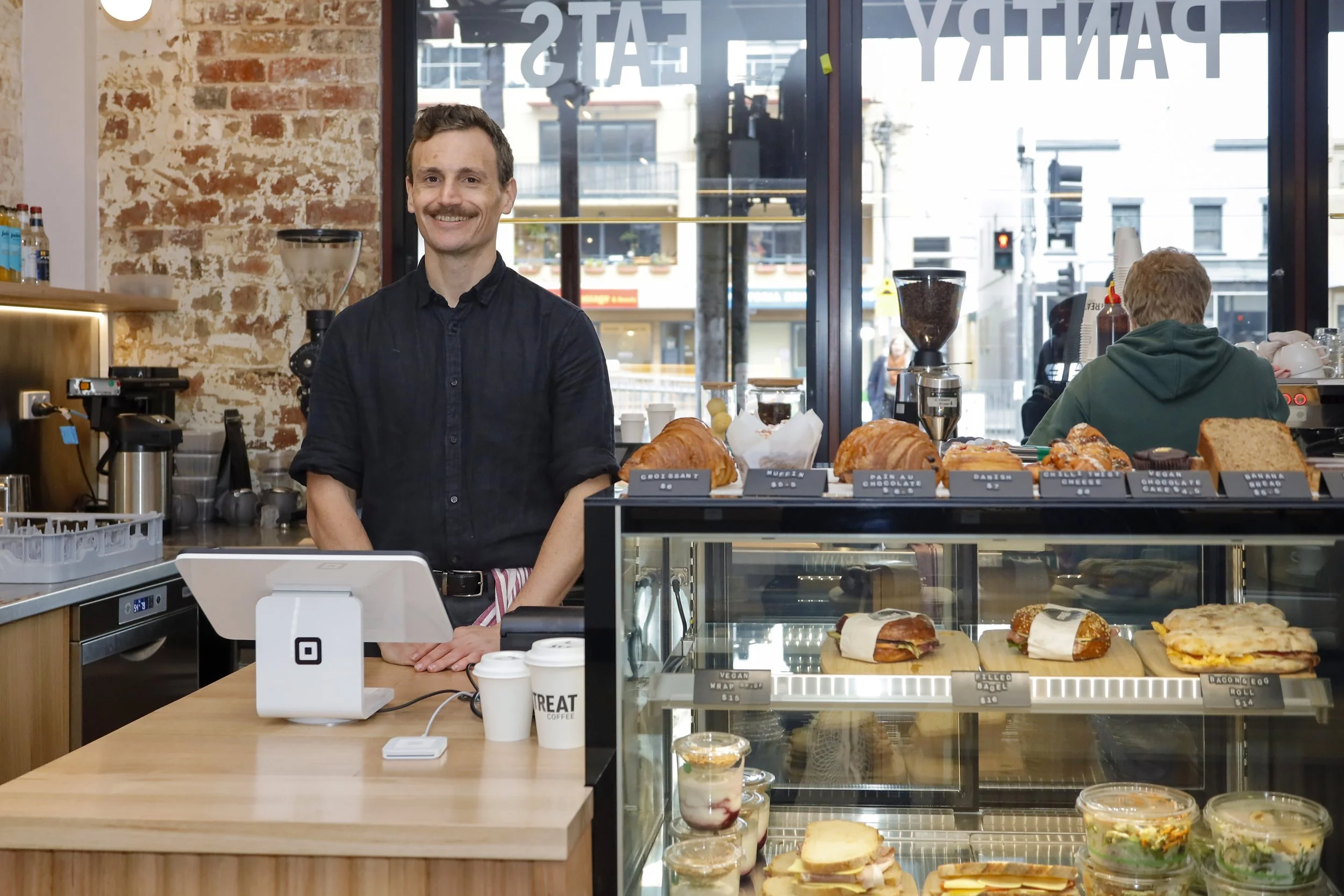
STREAT Cafe at the Purpose Precinct
By Hudson Brown
Article summary
Melbourne’s Purpose Precinct showcases how social enterprises can balance commercial success with community impact, spotlighting 90 ventures at the iconic Queen Victoria Market.
Founded by STREAT and Good Cycles, the hub drives innovation through the Moving Feast Kitchen, turning market food waste into new consumer products.
Growing government and public support highlight social enterprises’ economic value, with Queensland integrating them into Olympic planning for 2032.
With social enterprises becoming increasingly common, forward-thinking operations like Melbourne’s Purpose Precinct demonstrate how social good and financial stability can co-exist.
Social entrepreneurship is no longer a model on the margins, with myriad local and global challenges driving business-minded individuals to enact positive change.
In fact, estimates suggest that there are over 12,000 social enterprises already operating around Australia, contributing $21.3 billion to the local economy each year.
As it stands, Victoria is leading the way, with more than 3,500 social enterprises employing an estimated 60,000 people, spanning bustling inner-city neighbourhoods and quiet country towns.
At the centre of it all, Melbourne's Purpose Precinct serves as a hub for all things social enterprise, now occupying a significant part of the city's sprawling Queen Victoria Market (QVM) on the edge of the CBD.
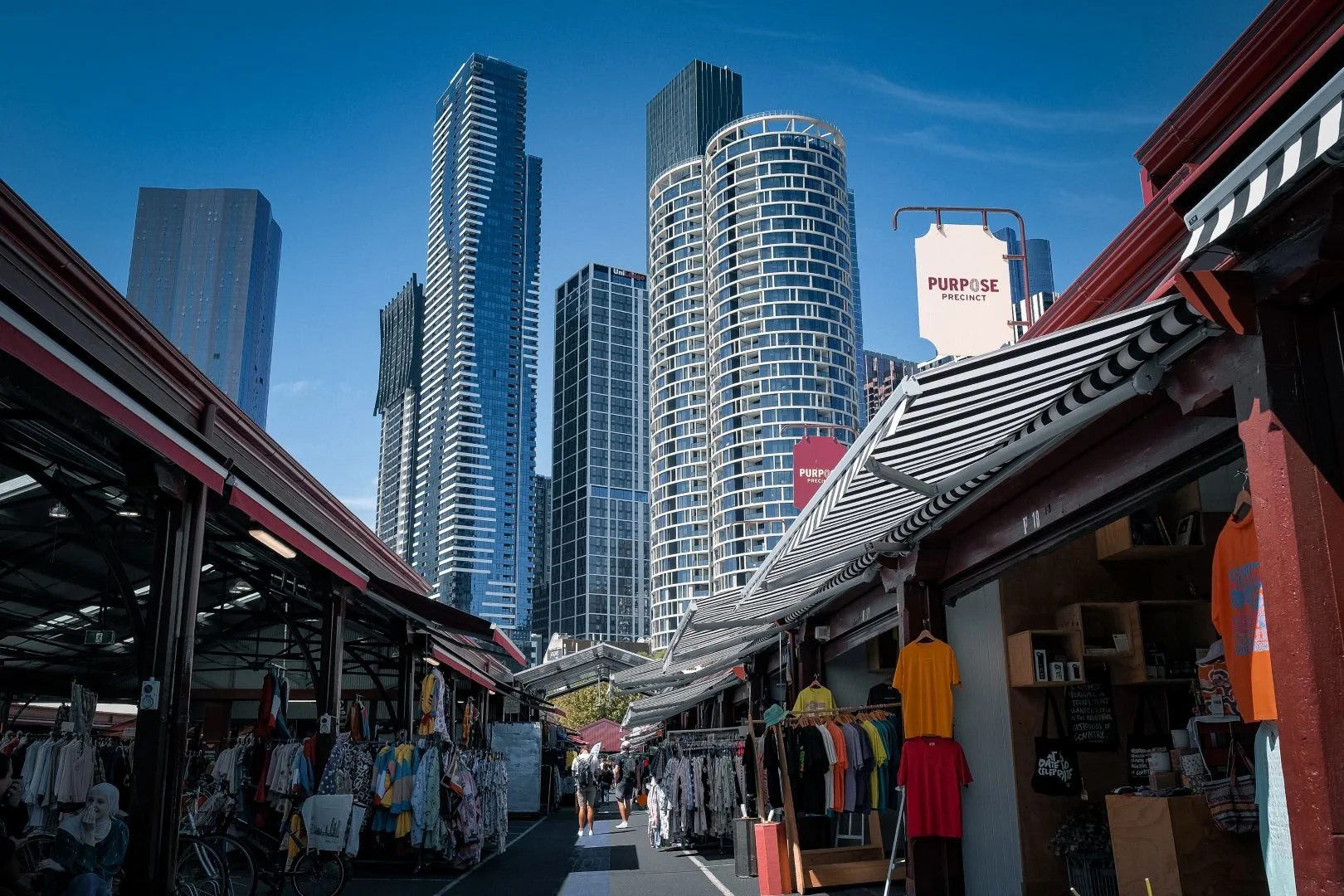
The Purpose Precinct at the Queen Victoria Market
As Australia's first dedicated social enterprise marketplace, the Purpose Precinct is filled with products that go beyond their basic form and function.
Showcasing items from around 90 different social enterprises, including ethically produced clothing, homewares, pantry items and more, every purchase helps drive positive social change by funding employment opportunities, reducing waste or achieving cultural good.
"The major benefit of being in this central location is the access to the tourist population; often the rural social enterprises just can't reach this kind of market," says Purpose Precinct general manager, Llawela Forrest.
"By representing them here in our store, people have a greater chance to discover them."
Launched in 2022, Purpose Precinct is enveloped by Melbourne's second-most popular tourist attraction, with QVM attracting around 10 million local and international visitors each year.
This immense foot traffic makes it the ideal location for the Purpose Precinct to highlight the growing importance of social enterprises.
Not only that, it explains why this model is becoming increasingly prevalent throughout Australia's business community.
Founded by leading social enterprises STREAT and Good Cycles in partnership with Social Enterprise Network Victoria (SENVIC), the former has had a significant role in raising the profile of the social enterprise model since 2010.
Offering youth programs for marginalised groups and exploring innovative waste systems, this approach has continued following the arrival of a new STREAT cafe at the Purpose Precinct in 2024.
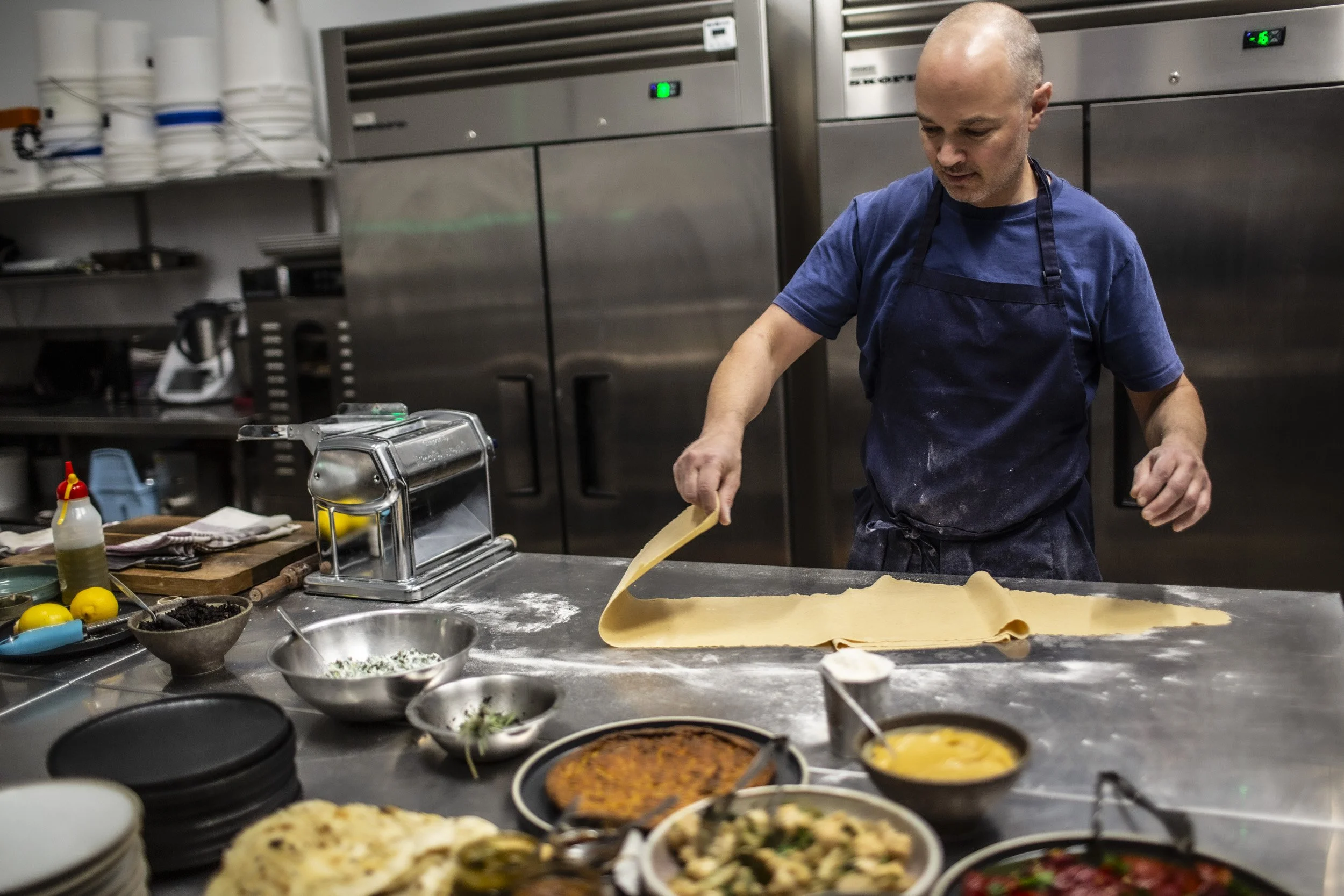
The Sustainable Supper Club at the Purpose Precinct. Photo by Tobie Puttock
Joining the social enterprise's seven other cafes, plus a coffee roastery and an artisan bakery, this location is also the primary outpost for the Moving Feast Kitchen, a STREAT-led innovation and incubation space that views so-called food waste from the surrounding market as a powerful resource to be transformed into everyday, long-shelf-life products.
Now guided by Tobie Puttock — a chef and sustainability advocate known for his work with Jamie Oliver — he and the rest of STREAT's team are developing strategies to tackle the 800 tonnes of food waste generated annually at QVM.
The result is over 60 ready-to-eat product lines, reimagined from food produce that otherwise would have gone to waste. According to Forrest, around 97% of the food waste collected from market traders is perfectly edible.
While the Moving Feast Kitchen continues to learn and refine its processes, it was pushed to the limit just a week after opening in March 2024, when a QVM vendor contacted them about 300 kilograms of unwanted sweet potatoes.
Roasting, boiling and dehydrating at massive scale, soon this enormous batch was turned into sellable products, like sweet potato shoyu, sweet potato XO sauce, sweet potato miso and chicken salt.
"That's an example of the experimentation we do here," says Forrest.
"Of course, the challenge is you don't know what you're going to get every day, so this first year of the Moving Feast Kitchen has also been about understanding what kind of produce we can expect, and how you can quickly process it into certain products."
Unfortunately, many for-purpose organisations struggle to survive more than a couple of years in operation. Yet Forrest believes governments are increasingly recognising the advantages of supporting social enterprises.
From helping people in need access training and employment to making Victoria's food system more sustainable, the nimble, resourceful nature of social enterprises means they often have the skills and know-how to do much of the heavy lifting.
"I think governments are more and more understanding of the value of social enterprise," explains Forrest.
"We save governments money, but we can't do that without support. STREAT is a really good example of how our investment in individuals can help the government save.
“It's a no-brainer for them."
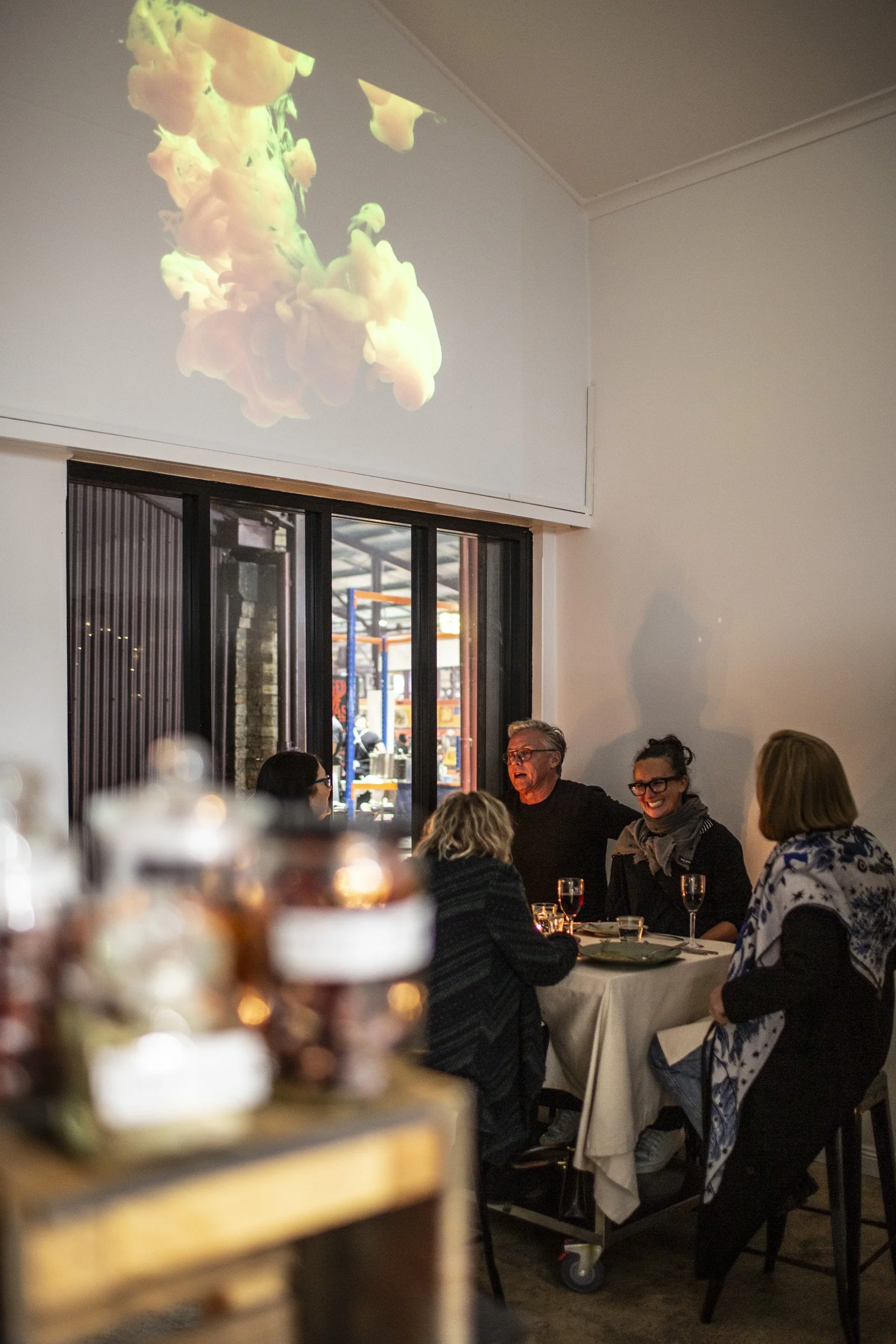
The Sustainable Supper Club at the Purpose Precinct. Photo by Guy Lavoipierre
In addition to the Victorian government, other states are also taking notice. Ahead of the 2032 Brisbane Olympic Games, the Queensland government is taking steps to thread social enterprises through the hosting of this landmark event.
Although several years away, the organising committee has already contracted almost $500,000 with First Nations businesses and social enterprises, bringing more upside to local communities.
Spreading the word of social enterprise to those newcomers and those already in the know, the now-established Purpose Precinct is exploring new ways to get the community involved.
For instance, it now offers a robust calendar of workshops and events, showing visitors how to create delicious food from waste ingredients or transform discarded plastic into useful products, revealing how a circular economy is within reach.
"Social enterprises have a kind of superpower when it comes to bringing in collaborators, and we're doing that on behalf of the market," says Forrest.
"Even though this space can feel like a small-scale initiative, it's critical to do testing and piloting to show what's possible and get people on board."