
Australia’s Path to Scaling Green Materials for Resilient Infrastructure
By Alexi Freeman
Article Summary
- New green materials like coffee-based concrete, printable solar panels, and mushroom fire-resistant panels could transform how cities build for a climate-changed future.
- Despite rapid scientific progress, adoption lags due to high costs, red tape, and outdated regulations, leaving innovations stuck in labs.
- Australia can lead by reforming policy, funding research, and using public projects to scale sustainable construction solutions nationally.
Life on Earth is shifting in ways that feel Darwinian. Climate change has made survival a matter of how deftly we adjust. For cities, that means rethinking how we build – and whether our infrastructure can evolve fast enough.
Enter the next wave of green materials, where science, design, and policy are weaving a potent mix to reimagine what our cities are made of and how they can better withstand a climate-changed future.
It’s a wild mix of the homespun to the high-tech: concrete brewed from coffee waste, printable solar film, and fire-resistant panels grown from fungi.
Tomorrow’s skylines could be lighter, cleaner, and smarter than anything we’ve built before.
But clever inventions alone won’t pass muster. Without systemic adoption – backed by strong government action – even Nobel Prize worthy prototypes risk obsolescence as little more than clickbait. Australia needs a clear pipeline that pumps these innovations from the lab bench to the worksite.
Redefining Construction: Materials for a Changing Climate
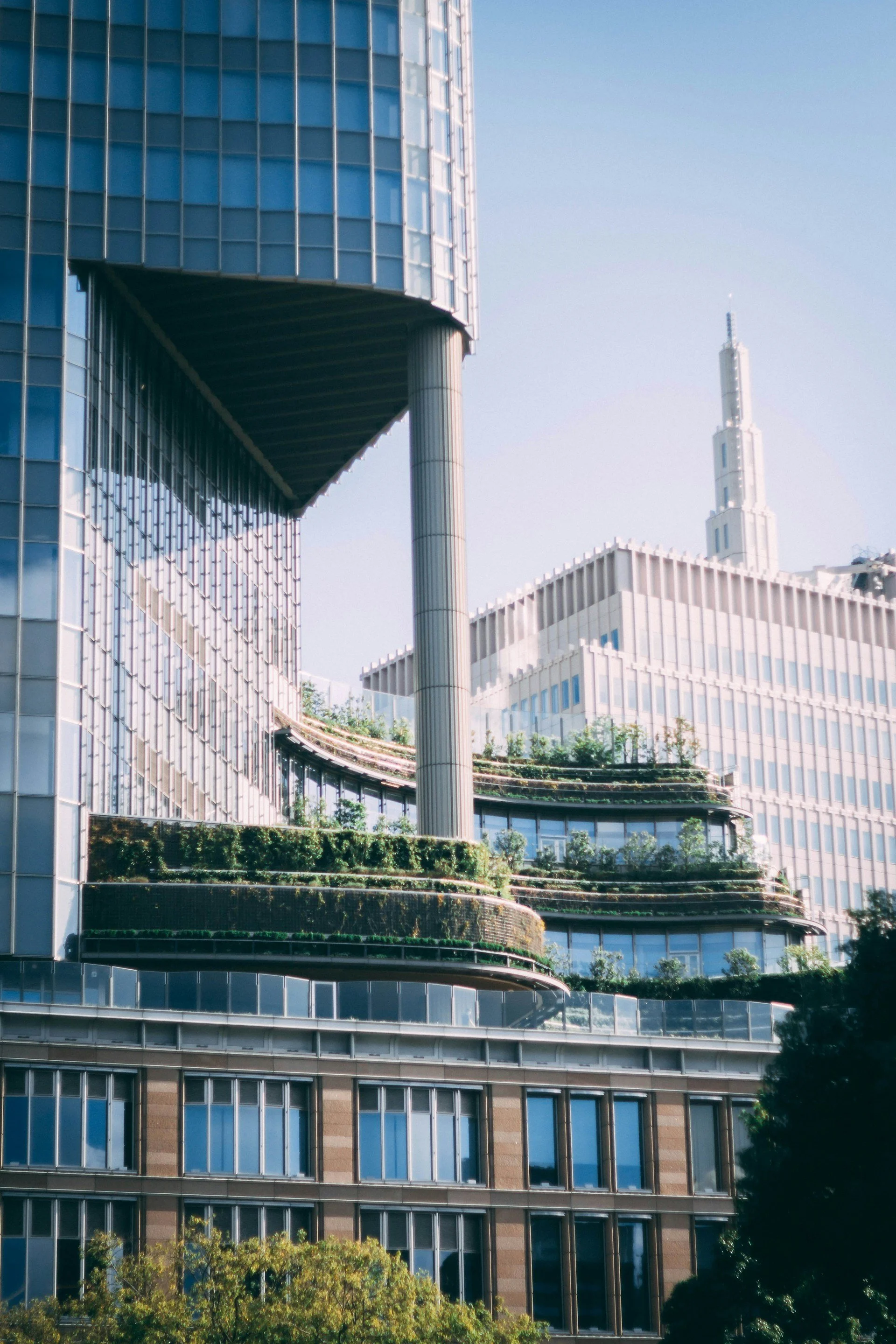
A potentially disruptive breakthrough comes from RMIT University, where researchers have developed a method to swap sand for biochar – a porous carbon made from used coffee grounds – in concrete mixes.
The resultant material is fit-for-purpose and significantly less carbon-intensive.
Modelling suggests funnelling coffee grounds into construction could keep hundreds of thousands of tonnes of emissions from reaching landfill annually – so your morning brew might help build a greener city.
At the energy generation end of the sustainability spectrum, the CSIRO is illuminating future cities with printable solar panels.
Made from organic polymers using a roll-to-roll press, these ultra-thin films can be applied to almost any exterior surface, adding translucent layers of clean-energy generators to buildings.
They are featherweight, easy to ship, and versatile enough to fit where rooftop solar can’t.
A $7 million pilot plant in Victoria is now road-testing its potential.
As CSIRO’s Dr Anthony Chesman puts it, “This printed solar technology unlocks entirely new applications for affordable, versatile and sustainable energy generation.”
Globally, the list of innovations is expanding fast – from self-healing concrete that knits itself back together to mushroom-based panels with natural fire resistance. The science is ready. The question is, how do we scale it?
Beyond the Build: More Than Bricks and Mortar
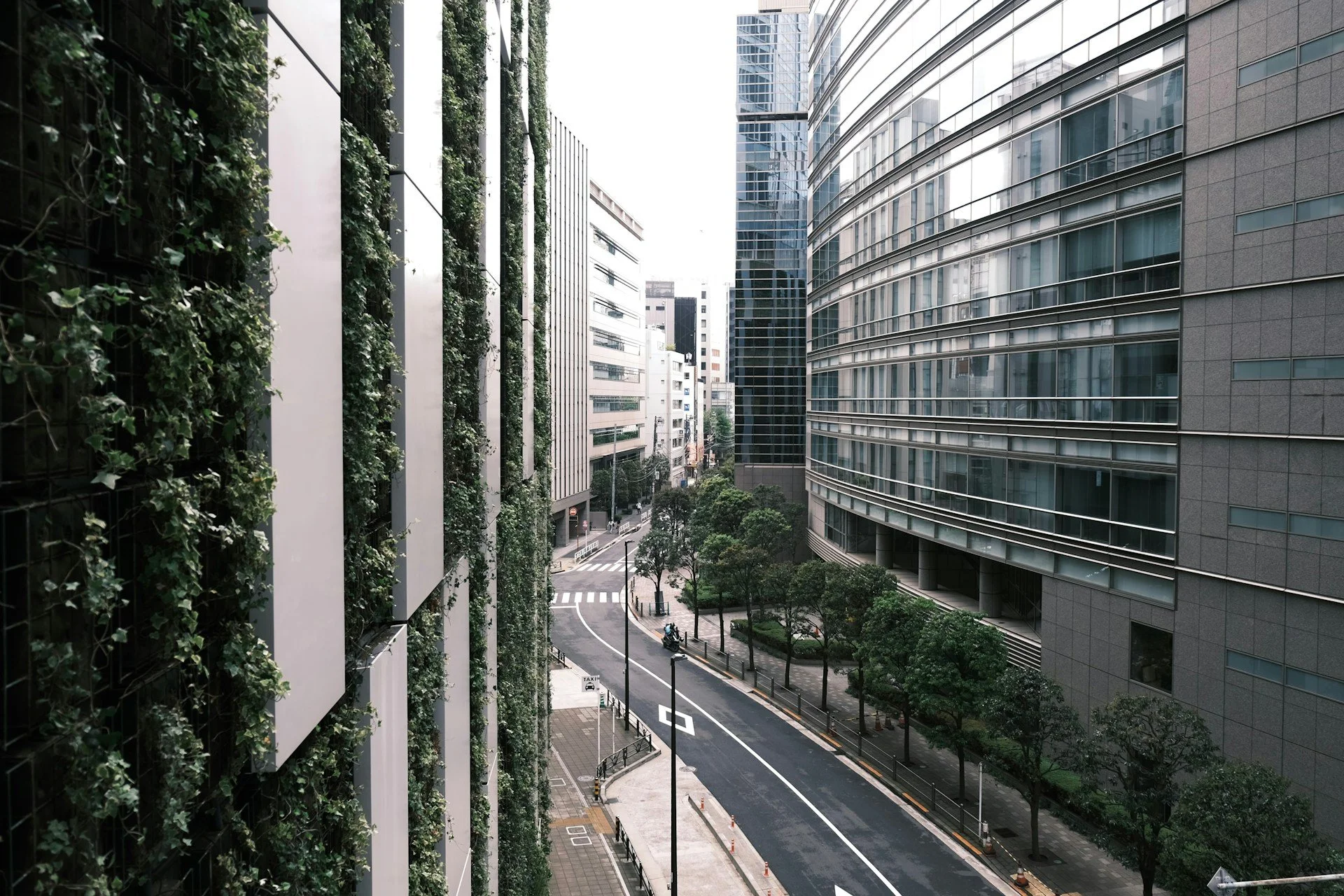
These green materials are exciting for more than their clever engineering – it’s also how they flip the script on construction.
Extraction gives way to circularity.
Liveability grows from harmonising with nature.
Long-term performance replaces myopic savings.
Some materials regulate heat or muffle sound more effectively than incumbents. Others cut reliance on carbon-hungry cement and steel. Together, they point to urban development that is not only sustainable, but also better attuned to the natural systems around it.
Scaling Smart: Barriers and Breakthroughs
Yet real progress remains sluggish. Part of the problem lies in the fossils of the old economy.
Multinationals with billions sunk into carbon-intensive assets aren’t rushing to change their game plan. For them, healing the planet still dents the bottom line.
Beyond vested interests, roadblocks are familiar: steep upfront costs, red tape, fragmented supply chains, and building codes that lag years behind the lab.
Procurement rules often reward the ‘tried and tested,’ rather than the risk/reward of piloting something new and potentially disruptive.
It’s twenty-first-century science, shackled by twentieth-century paperwork. Still, not everything is stuck in the mud.
Councils and universities are stepping up as testing grounds. Government-backed pilots – like CSIRO’s solar films – are proving concepts at scale. National standards, cross-sector partnerships, and steady research funding are the levers that can transform lab brilliance into everyday eco-practice.
Professor Veena Sahajwalla, Director of UNSW’s Centre for Sustainable Materials Research and Technology, puts it succinctly: “Both the start and ends of the product lifecycle need to be working together in a holistic manner to close the loop.”
The science is here. What’s missing is the infrastructure – both physical and regulatory – to help it spread.
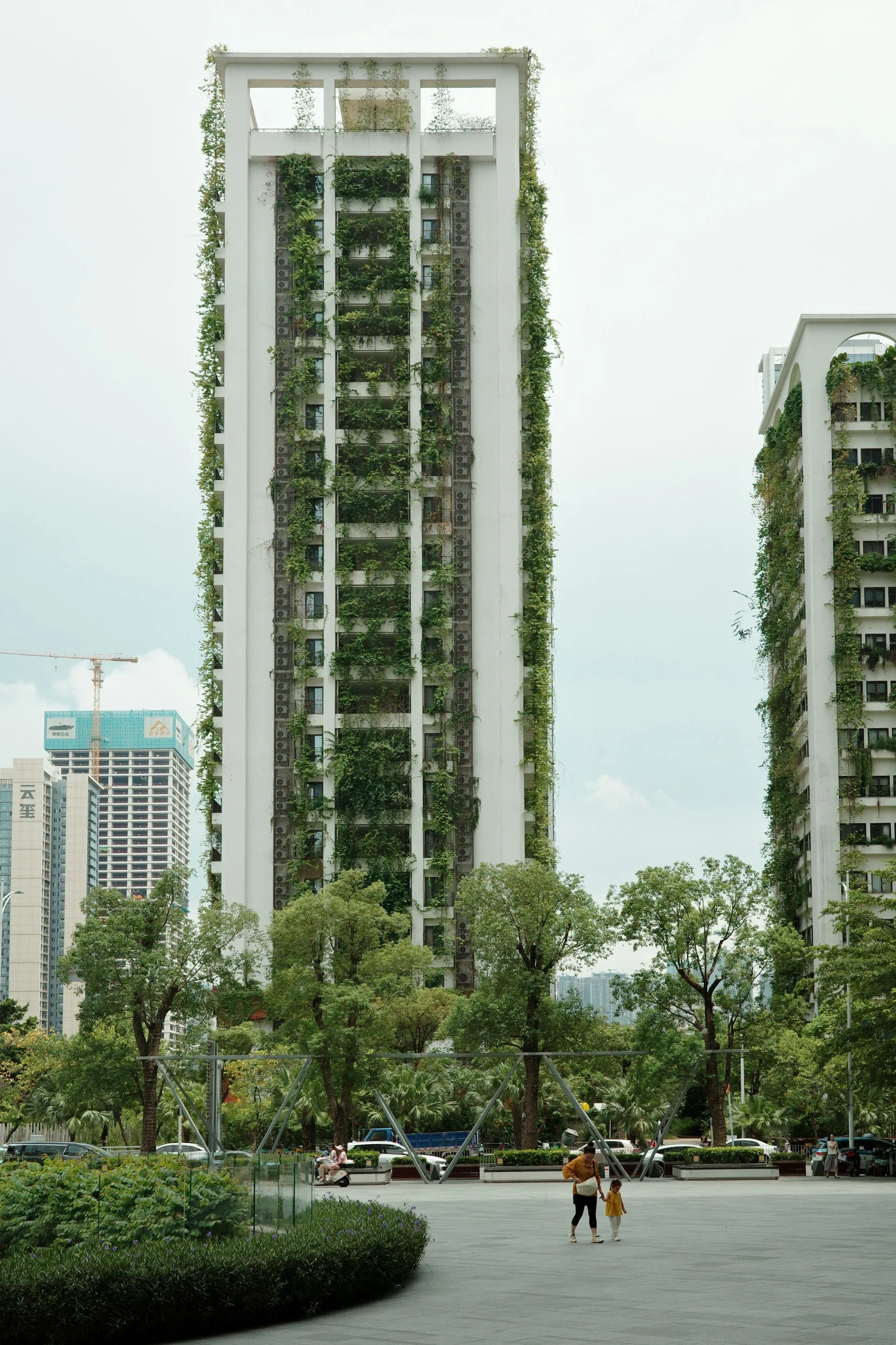
The Policy Lever: Catalysing Change from the Top Down
If Australia wants to lead in climate-ready infrastructure, policy needs to do more than gesture at innovation – it must be baked in. That means:
- Funding research in materials science and industrial ecology
- Reforming codes so new products don’t languish in red tape
- Sweetening uptake with rebates, certifications and faster approvals
- Using public projects as testbeds for green materials
- Setting consistent measures for embodied carbon and durability
Governments in other regions are already raising the bar. In the U.S., the Inflation Reduction Act ties tax breaks to low-emission materials. In Europe, Green Public Procurement rules encourage states to lead by example.
Australia has made progress at the local and state levels, but without a unified national approach, industry will continue to stall until Canberra sets the pace.
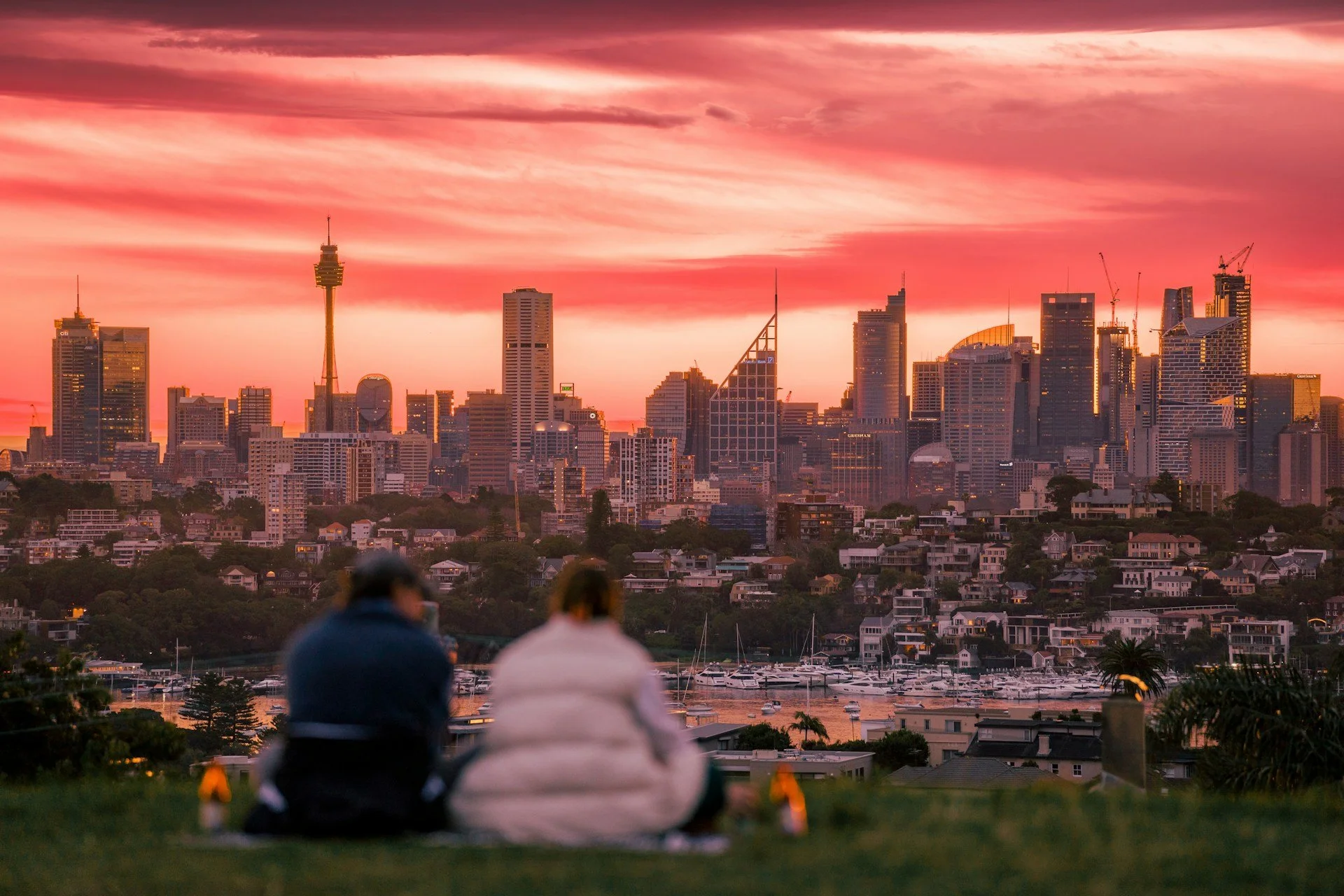
Blueprint for Tomorrow
What we build with, shapes more than skylines – it shapes how communities adapt and endure.
As cities spread into delicate ecosystems and climate pressures mount, more height and hardness aren’t the answer. The challenge is to build with intelligence, in step with the natural systems that sustain us.
Australia has an opportunity to lay these foundations by backing science, embracing progressive policy, and investing in visionary design. The innovations already exist. The urgency is clear.
What’s left is to turn ambition into action.
The future of green infrastructure is already being grown, 3D-printed, and biofabricated. The only question is whether we’ll set the groundwork in time – or keep patching up the cracks while the water continues to rise.