
Community at Heart: Supporting Health and Food Economies Through Social Collectives
By Daniel Vlahek
Article Summary
- Industrialised, centralised food systems have created environmental, cultural, and social harms, prompting a shift from focusing on food production to rethinking how food systems are governed.
- Place-based social innovations like Melbourne’s Food Collective show how local, distributed food networks can improve food security, dignity, and resilience where market and government responses fall short.
- Similar initiatives worldwide demonstrate that reconnecting producers and communities through local collaboration can stabilise economies, strengthen social ties, and better withstand global shocks.
For the past five decades, there’s been growing concern over the impact our food systems have on society and the environment.
Born in the early 20th century in response to World War II, technological shifts accelerated and centralised our food supply chains.
This transformation has led to a profound cultural and social shift, with these effects continuing to influence us to this day, manifesting in our food becoming heavily commoditised, with human and nature relationships facing a schism.
A reinvention of this system is now being discussed, with recent talks at Conference of the Parties (COP30).
This outlines that the geopolitical shocks, climate feedback loops and ‘cheaper food’ impacts are no longer about the prevailing narrative being ‘food production’, but rather looking at how we govern our food ‘systems’.
These conversations have led to Australia’s Federal government updating its supportive frameworks through the ‘National Preventive Health Strategy (2021 - 2030)’ and ‘National Obesity Strategy (2022–2032)’ to align with those new strategies.
Yet, issues remain. Supply chains remain sensitive to shocks, as highlighted by COVID-19, the availability of culturally appropriate food is also at a minimum and rising costs have led to increasing levels of food insecurity.
These have shown that market and government-led initiatives are still struggling to alleviate pressures.
Perhaps alternative food networks are the answer to these complex problems?
The Food Collective
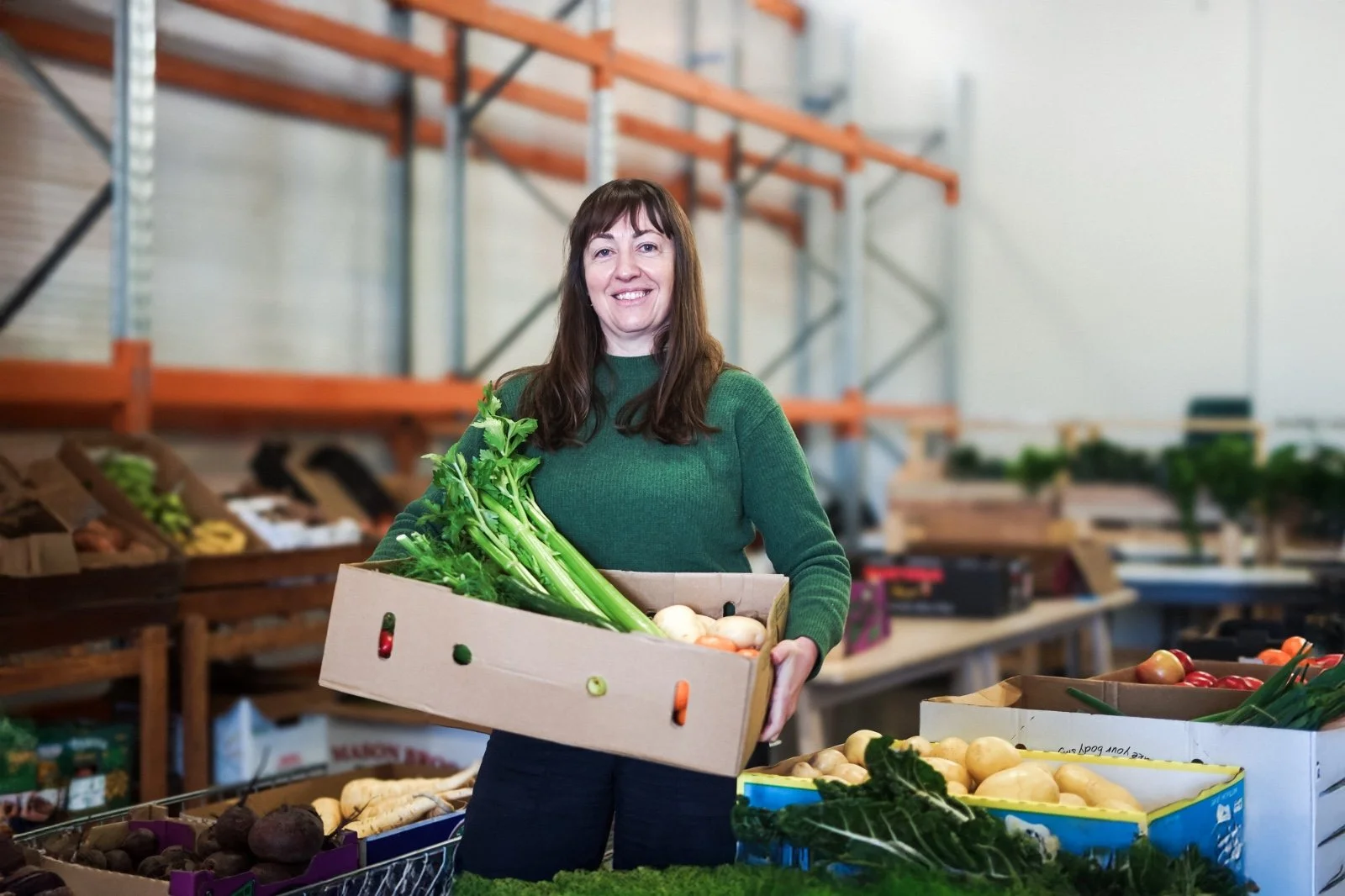
In response to increasing food insecurity, social isolation, underemployment, and disengagement from education, the Food Collective, a place-based program developed by Whittlesea Community Connections (WCC), aims to strengthen health, dignity and community connection in Melbourne’s outer North.
“At its core, the Collective is about ensuring everyone can access fresh, nutritious food with dignity”, Sarah Daly, the Food Collective’s Healthy and Connected Communities Lead tells Matters Journal, “while also strengthening local relationships, creating training and employment pathways, and supporting a more resilient local food economy.”
Initiated through conversations within the local Emergency Relief Network, the Food Collective has taken a system-wide lens to address increasing demands for food support, including broader logistical issues in local food relief storage and distribution to support services across the network.
This system's lens has enabled the Food Collective to test a mix of activities, helping them adapt from food relief to social enterprise, with a view to achieving short-, medium-, and long-term outcomes that address both immediate need and underlying causes.
Their work has not gone unnoticed either.
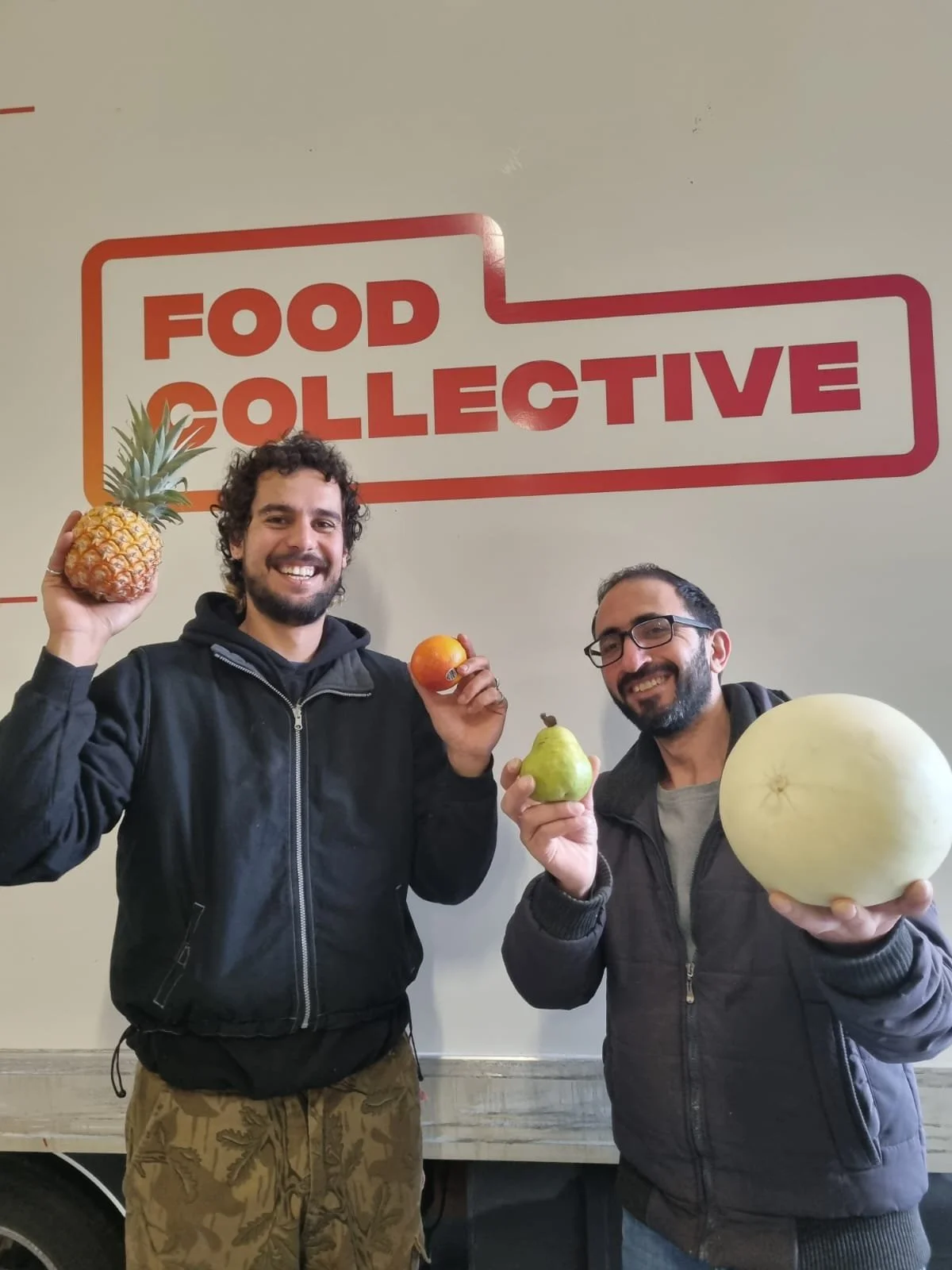
Being awarded multi-year funding in 2022 through VicHealth’s Move the Dial Food Hub program has enabled the Food Collective to initiate other ventures, including a low-cost fresh produce market, food box delivery, a voucher program, and a wholesaling service.
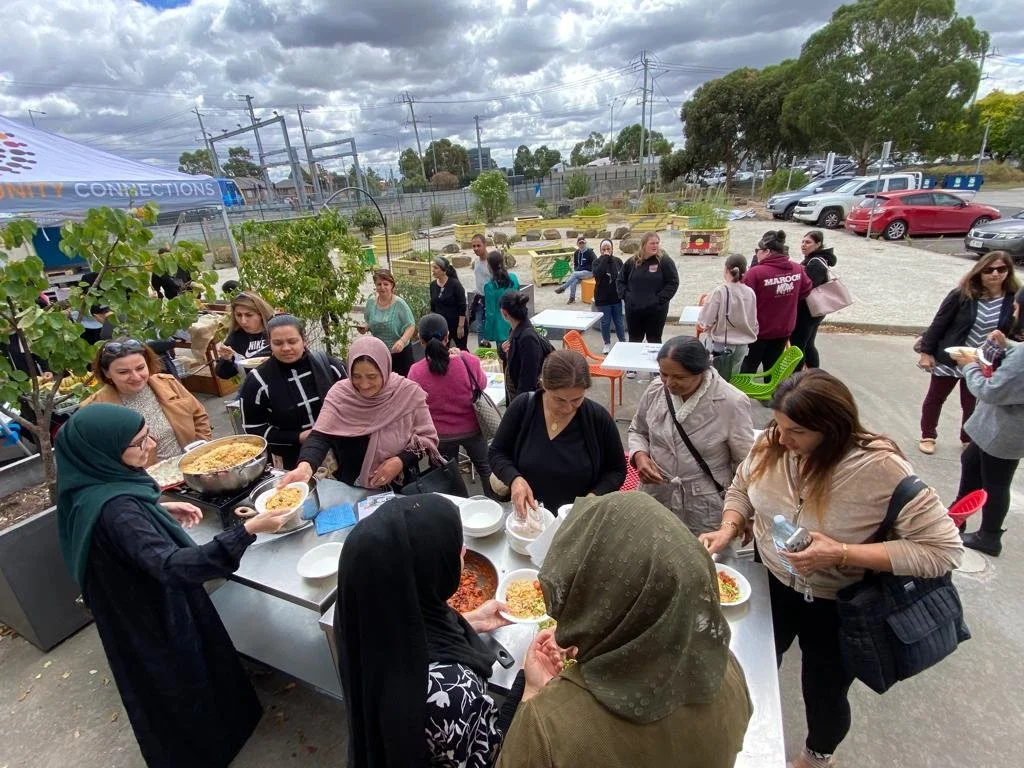
They have also deepened their long-standing partnership with Melbourne Polytechnic Epping Campus, where they have recently been granted operational management of the campus cafeteria to deliver hospitality training and host community meals and events that support social inclusion and connection. Social Innovation and Systems
The Food Collective can be viewed in a broader context – it is a working example of a new production and economic model.
By creating direct links between producers (such as farmers) and consumers, the Food Collective not only helps facilitate a more localised, robust economy tailored to the needs and opportunities of its unique location, but it also assists in recombing existing assets to achieve socially recognised goals – also known as ‘social innovation’.
‘We define social innovation as new ideas (products, services, and models) that simultaneously meet social needs and create new social relationships or collaborations. In other words, they are innovations that are both good for society and enhance society’s capacity to act,’ writes Ezio Manzini, the design academic on social innovation and sustainability.
He refers to this as his "best-considered definition" of social innovation in his influential book Design, When Everybody Designs (2015).
Social Innovation is increasingly shown to be a solution in solving complex issues where government policy and market solutions have been unable to crack.
Social Innovation, as such, manifests itself through tangible social collectives, which can be viewed as actual steps towards ‘sustainability’. Local applications of an idea of wellbeing based on a new ecology of relationships between people and their environment.
These new relations and ways of working also embed greater capacity in those networks to address localised needs, creating systems resilient to shocks due to their fluid structure, referred to as ‘distributed networks’.
Illustrating the power of distributed networks early in their development, Daly adds, “When COVID-19 hit…The sudden escalation in need required us to scale quickly. Drawing on volunteers, partnerships, and existing infrastructure, we delivered thousands of food boxes and essential items to people experiencing hardship — including newly unemployed workers, families isolating at home, international students, and people seeking asylum who were ineligible for income support.
“This period demonstrated our capacity to adapt rapidly and respond to changing community needs, reinforcing the value of having local, flexible food infrastructure in place before a crisis hits.”
Social Innovation in Practice
Expanding beyond Australia, place-based social innovation can be seen in practice worldwide, where new networks form to address localised issues amid systemic disruptions.
Nestled in York, UK, the Yorkshire Grain Alliance is a ‘living lab’ whose goals centre on how its local community grows, processes, and eats grain. Formed as part of the FixOurFood research program through the University of York, the group aims to address system failures in the UK’s grain market: the extensive production of low-nutrition wheat for ultra-processed foods or feedstock input.
When the conflict in Ukraine erupted, the UK supply chain faced disruptions to its input costs, particularly fertilisers, animal feed and energy costs, which saw the price of food increase accordingly. However, bypassing global routes, the YGA created a buffer against global grain price hikes, effectively stabilising farmers' incomes in the Alliance.
Another example can also be found in pockets across Africa called ‘Earth Markets’. Initiated through the Slow Food Movement, whose goals revolve around building communities to promote local, sustainable food, the Earth Market program is underpinned by a ‘Good, Clean, and Fair’ mandate to save “forgotten” foods whilst providing dignified living for small-scale farmers.
In a similar vein to the UK, Kenya in 2019 faced compounding crises in COVID-19, drought, erosion, and locust infestations. The development of the Nakuru Earth market was a direct response to these disruptions, bridging relationships between local farmers, cooks, and consumers.
By bypassing intermediaries and focusing on shorter, hyper-local chains, this development led to a healthy increase in regional wages, the elevation of indigenous crops, and the scaling of local seed banks. In effect, Nakutu did not just become a place to sell food, but also a fortification of the local food system.
Leveraging and Collaborating
Although the goals differ across networks, they clearly illustrate the leverage that mutual help among diverse actors has on the local economy.
As the Food Collective demonstrates, collaboration and repeated interactions, underpinned by values and a mission, not only deliver more value with less financial capital but also embed resiliency within those networks to face future shocks.
“As a place-based organisation, the Food Collective will continue to prioritise local needs — providing direct support to people experiencing hardship while enabling community-led responses to food insecurity”, Daly adds.
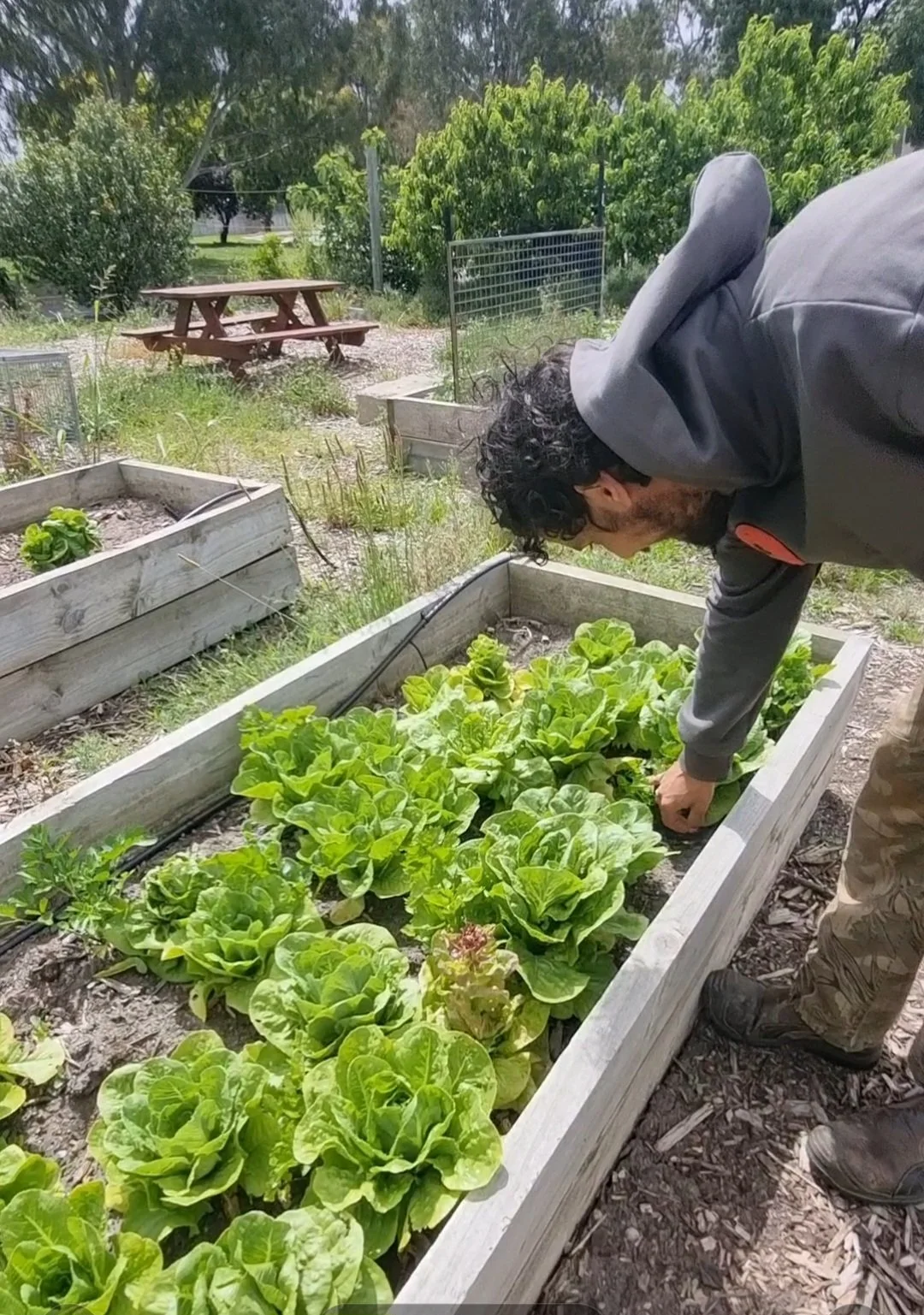
The Food Collective will continue to expand its current model by integrating its Wollert Farm Initiative, enabling it to source food locally and sustainably.
This interconnectedness between initiatives allows it to be rooted in place, with these short networks, we can generate and regenerate the local socio-economic fabric.
Looking ahead, Daly notes that, “we see our role as both practical and about creating the conditions for wider change: sharing learnings from what we have trialled, partnering across the food system to develop sustainable alternatives, and advocating for approaches that address systemic barriers rather than treating food insecurity as an individual failure.”